

Travel Without Pain: Natural Remedies for Neck & Back Pain From Long Trips
Long road trips, cross-country flights, scenic train rides, and bus journeys can create wonderful memories, but they can also leave you with an aching neck and sore back. If you've ever stepped out of a car or airplane feeling stiff, tight, or uncomfortable, you're not alone. Finding effective travel neck pain relief is a common concern for travelers of all ages.
Whether you're dealing with neck pain after traveling, back pain from long travel, or general muscle stiffness from sitting, the good news is that many cases improve with simple, natural strategies. Gentle movement, better posture, hydration, and targeted exercises can help reduce discomfort and improve recovery without relying solely on medication.
In this guide, you'll learn why travel causes neck and back pain, which muscles are most affected, natural remedies that really help, and physical therapist–recommended exercises to get you moving comfortably again. You'll also discover practical tips to prevent pain before your next adventure.
Why Travel Causes Neck & Back Pain
Long trips place your body in positions it wasn't designed to maintain for hours at a time. Sitting still for extended periods affects muscles, joints, and circulation.
Prolonged Sitting
Your muscles work best when they regularly contract and relax. Sitting for several hours keeps many muscles in one position, leading to fatigue and stiffness.
Commonly affected areas include:
Neck
Shoulders
Lower back
Hips
Hamstrings
Poor Posture During Travel
Slouching in an airplane seat, leaning toward a window, or craning your neck while looking at a phone places extra stress on your spine.
Poor posture during travel may cause:
Neck strain
Rounded shoulders
Lower back discomfort
Increased muscle fatigue
Reduced Blood Circulation
Remaining still decreases circulation to your muscles. Less blood flow means muscles receive less oxygen and nutrients, making them feel sore and tight.
Muscle Stiffness
Muscles naturally shorten when held in one position for too long. This explains why standing up after several hours often feels uncomfortable.
Spinal Compression
Gravity and prolonged sitting place pressure on the discs between the vertebrae. This temporary compression can contribute to lower back discomfort, especially after a long drive or flight.
Dehydration
Travel often disrupts normal hydration habits. Airplane cabins are particularly dry, and mild dehydration may contribute to muscle cramps, fatigue, and headaches.
Common Symptoms After Long Trips
Many travelers experience temporary discomfort after extended periods of sitting.
Common symptoms include:
Stiff neck
Shoulder tightness
Lower back pain
Muscle soreness
Headaches
Neck stiffness after long drive
Back pain after long flight
Muscle stiffness from sitting
Long trip body pain
Mild numbness or tingling from prolonged positioning
These symptoms often improve with movement, stretching, hydration, and rest.
Natural Remedies for Travel Neck Pain Relief
Natural recovery methods can help reduce discomfort while supporting your body's healing process.
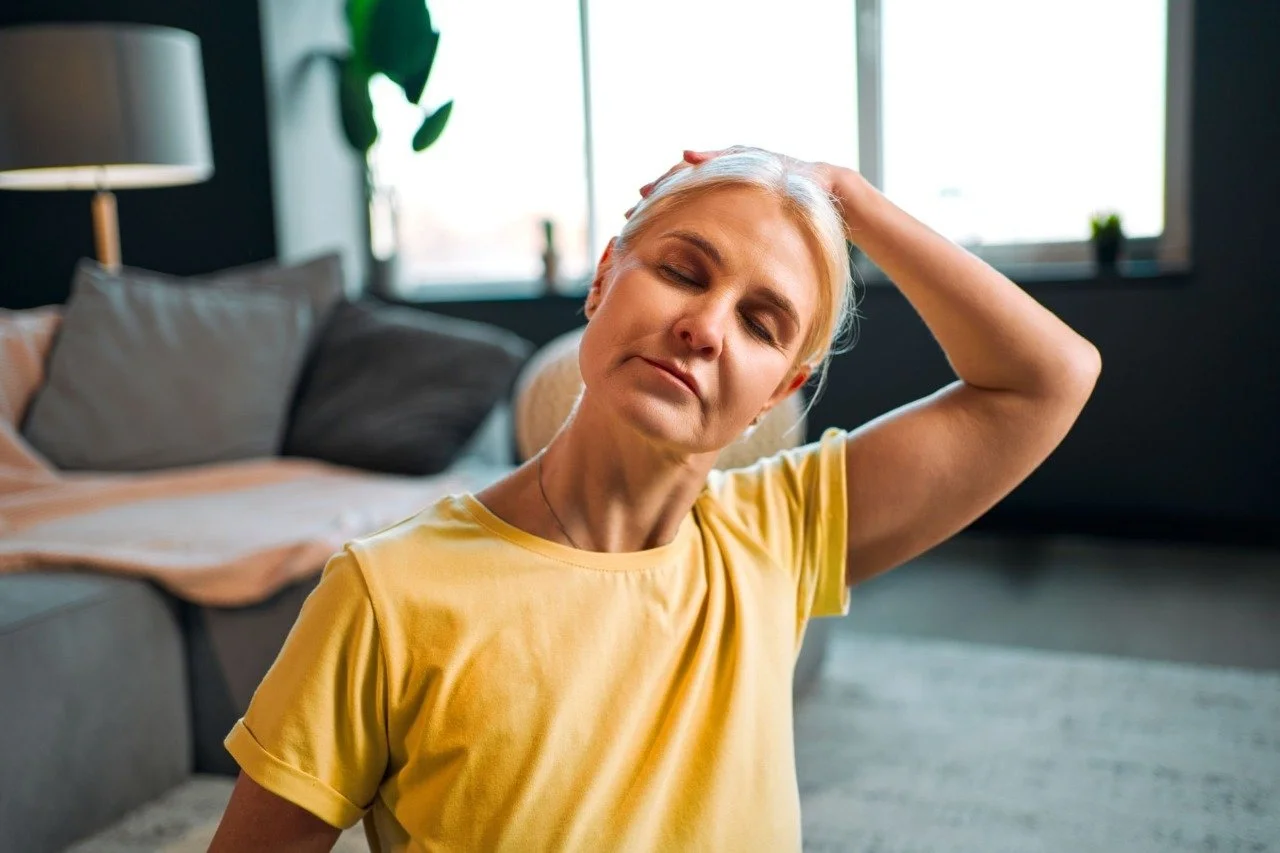
1. Gentle Stretching
Stretching helps lengthen tight muscles and restore mobility.
Benefits include:
Better flexibility
Reduced stiffness
Improved circulation
Less muscle tension
Avoid bouncing during stretches and move slowly.
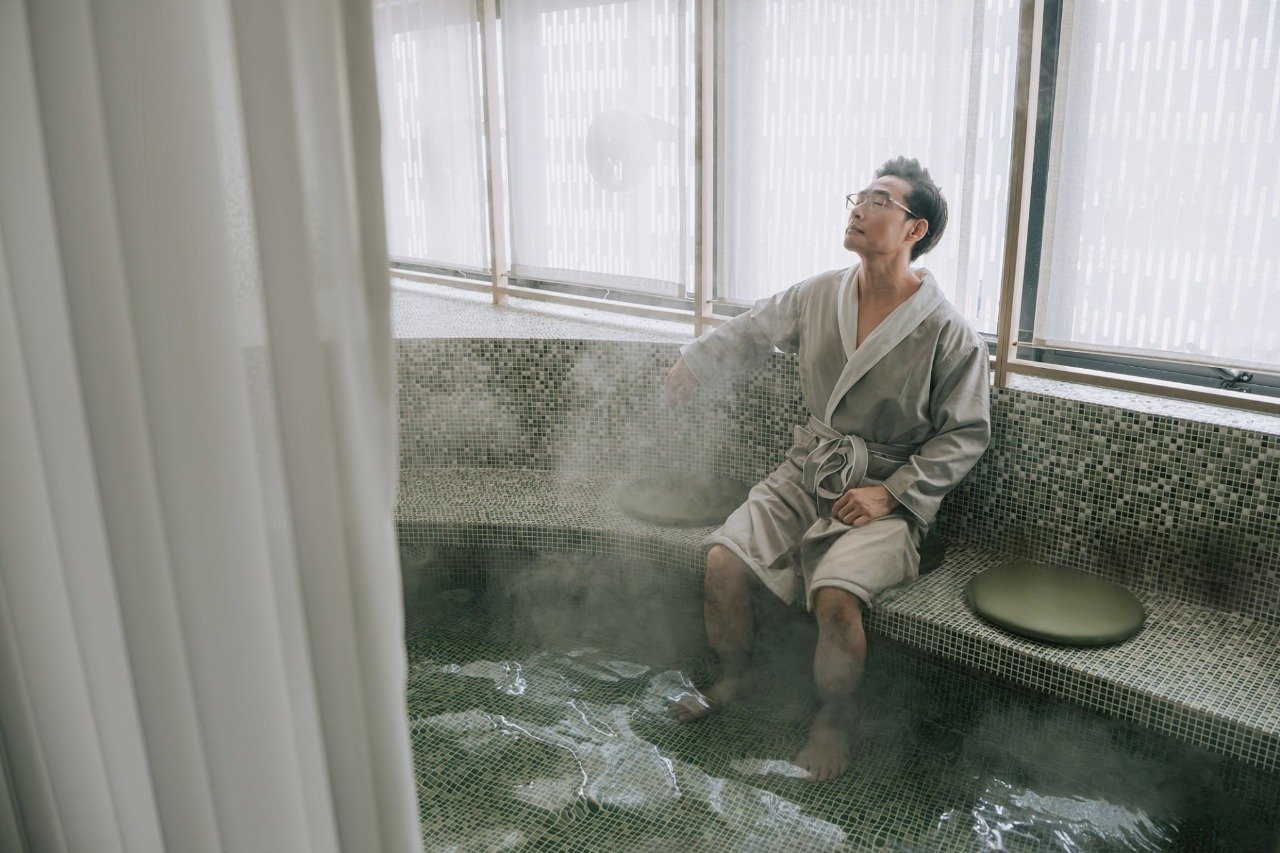
2. Heat Therapy
Heat helps relax tight muscles and encourages blood flow.
Try:
Warm shower
Heating pad
Warm towel
Heat is often helpful when muscles feel tight or stiff.
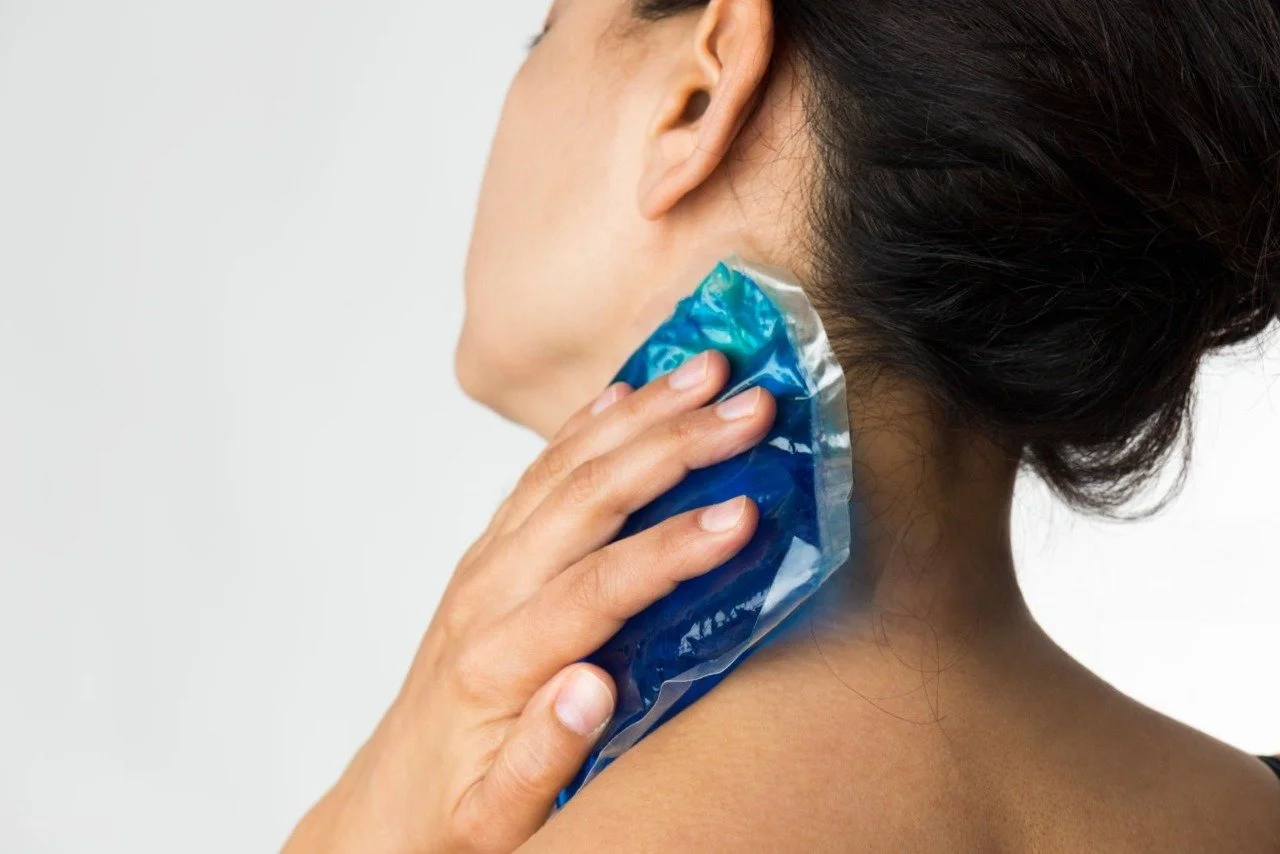
3. Cold Therapy
If you notice swelling or soreness shortly after travel, a cold pack may help reduce discomfort.
Apply for:
10–15 minutes with a cloth barrier between the ice pack and your skin.

4. Stay Hydrated
Water supports healthy muscles and joints.
Tips:
Drink water before your trip.
Sip regularly during travel.
Limit excessive alcohol and sugary drinks.

5. Take Walking Breaks
Walking every hour—even for just a few minutes—helps:
Improve circulation
Reduce stiffness
Loosen hip muscles
Prevent prolonged sitting discomfort
If you're on a flight, walk the aisle when it is safe to do so.
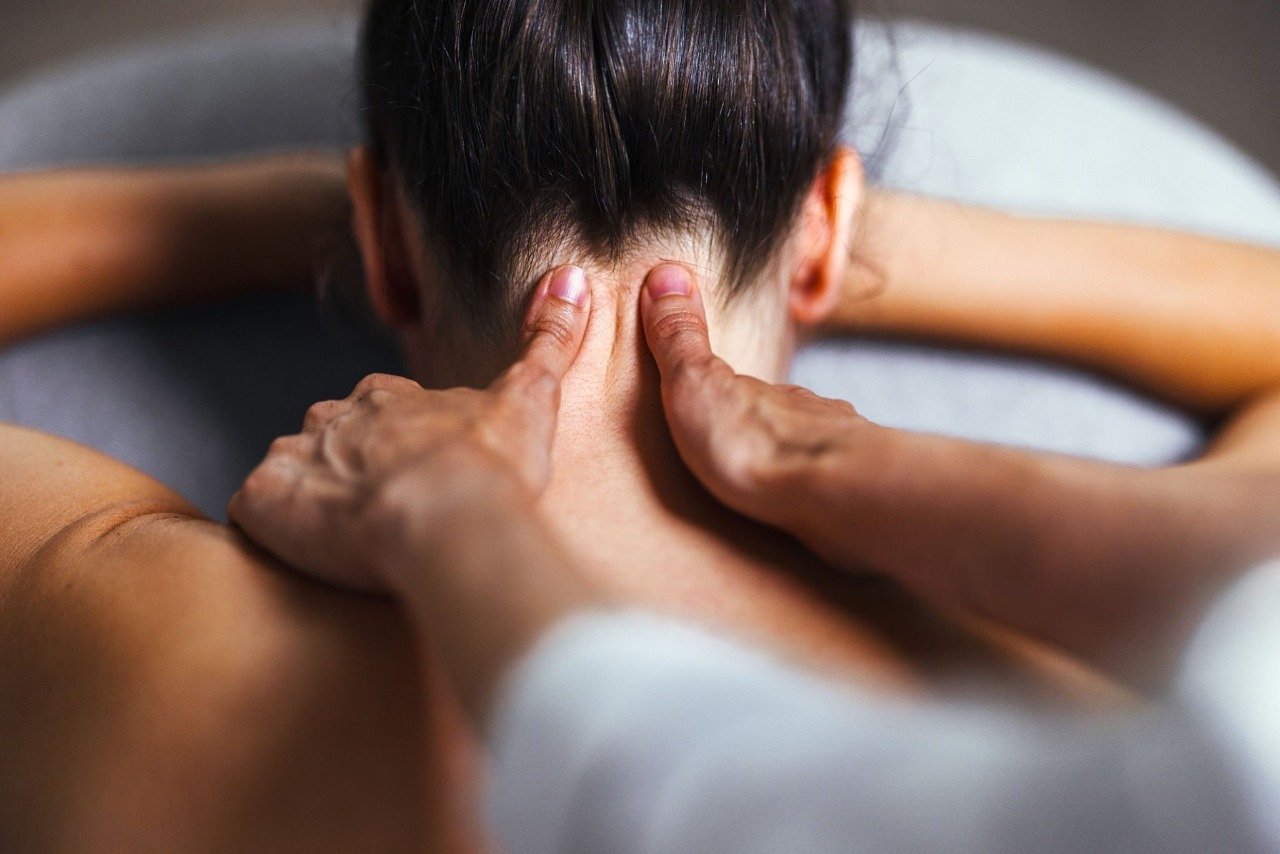
6. Massage
Gentle massage can relax tense muscles and improve blood flow.
Helpful options include:
Foam roller
Massage ball
Professional massage
Gentle self-massage

7. Get Quality Sleep
Your body repairs muscles during sleep.
Aim for:
7–9 hours each night
Supportive pillow
Comfortable sleeping position

8. Eat Anti-Inflammatory Foods
While food isn't a cure for pain, a balanced diet can support overall recovery.
Choose foods like:
Salmon
Berries
Leafy greens
Olive oil
Nuts
Tomatoes
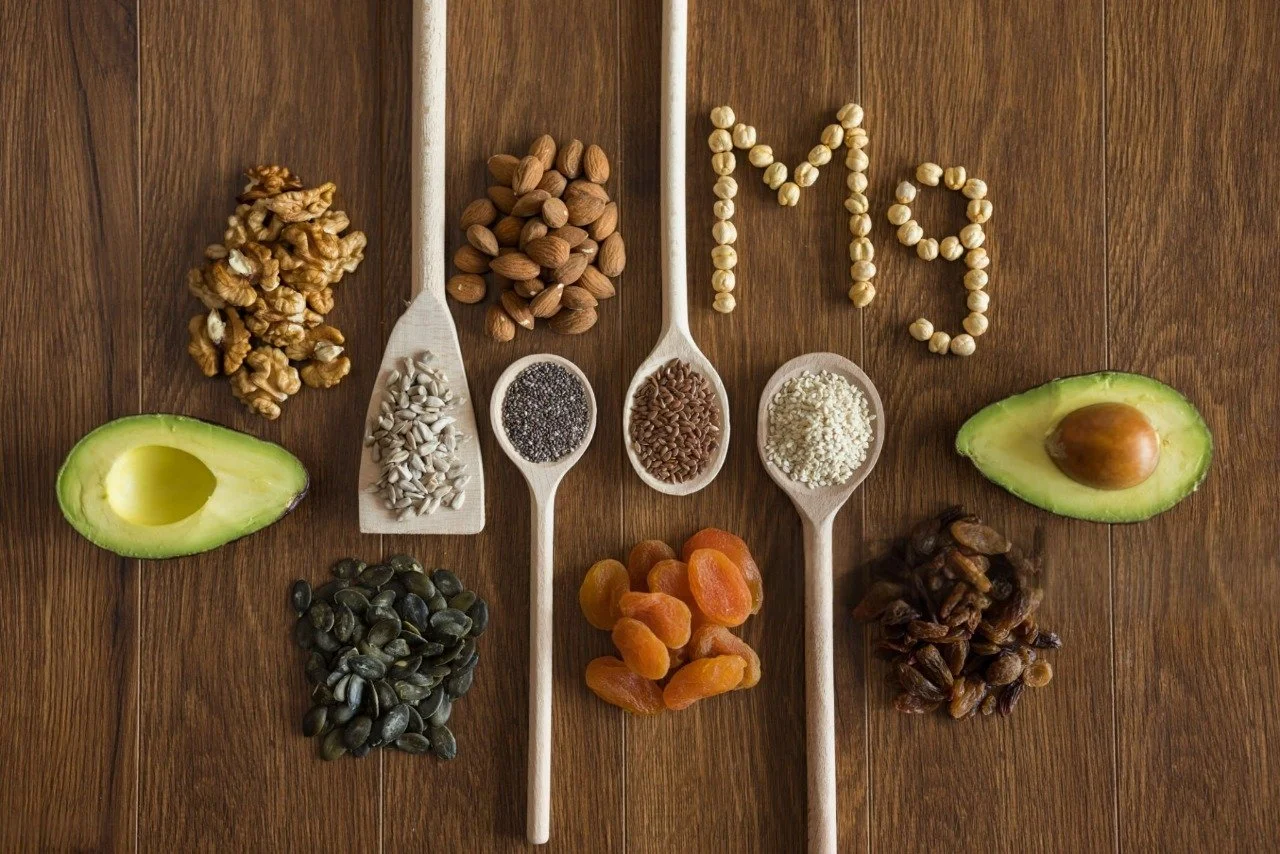
9. Eat Magnesium-Rich Foods
Magnesium supports normal muscle and nerve function.
Good sources include:
Pumpkin seeds
Almonds
Spinach
Black beans
Avocados
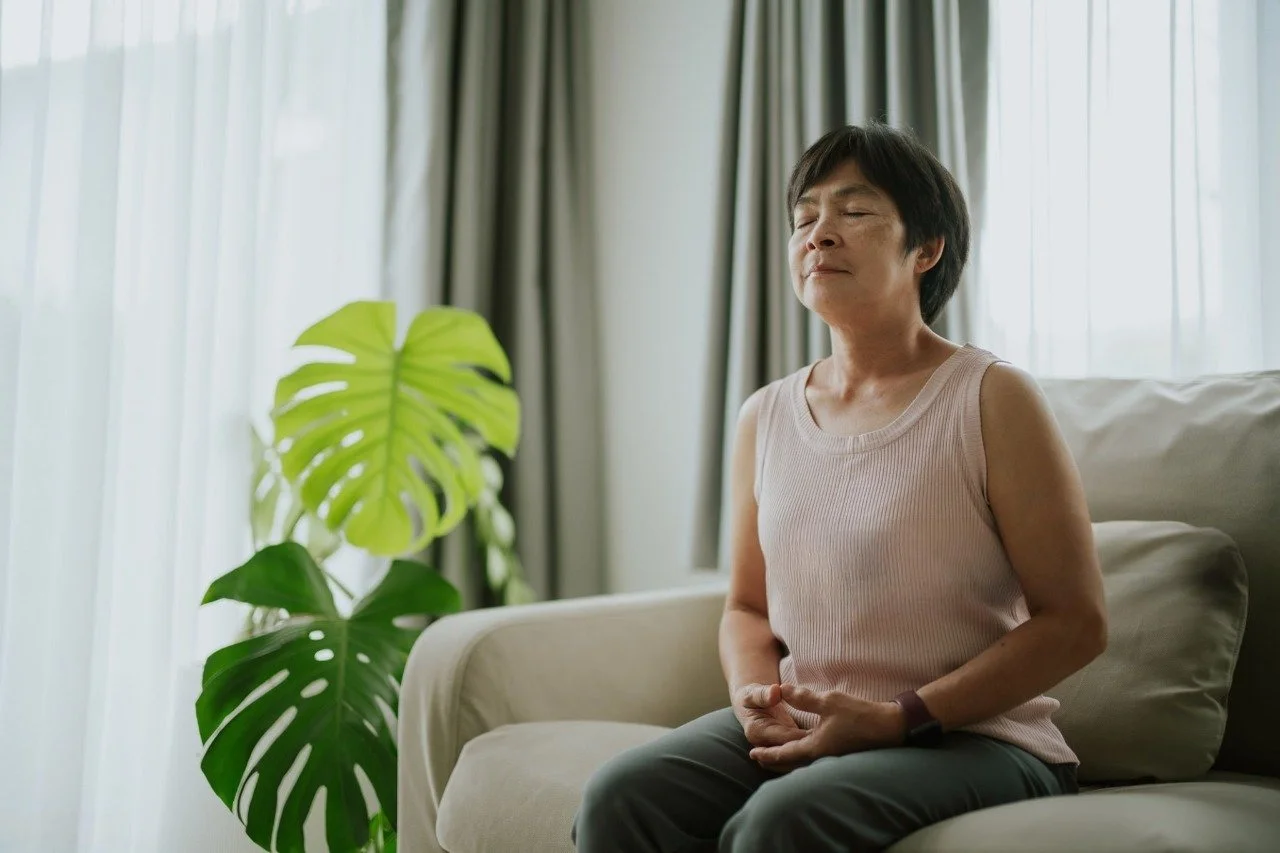
10. Practice Good Posture
Maintaining neutral alignment reduces unnecessary strain.
Remember to:
Keep shoulders relaxed.
Sit back in your seat.
Support your lower back.
Keep both feet supported when possible.
Avoid looking down at your phone for long periods.
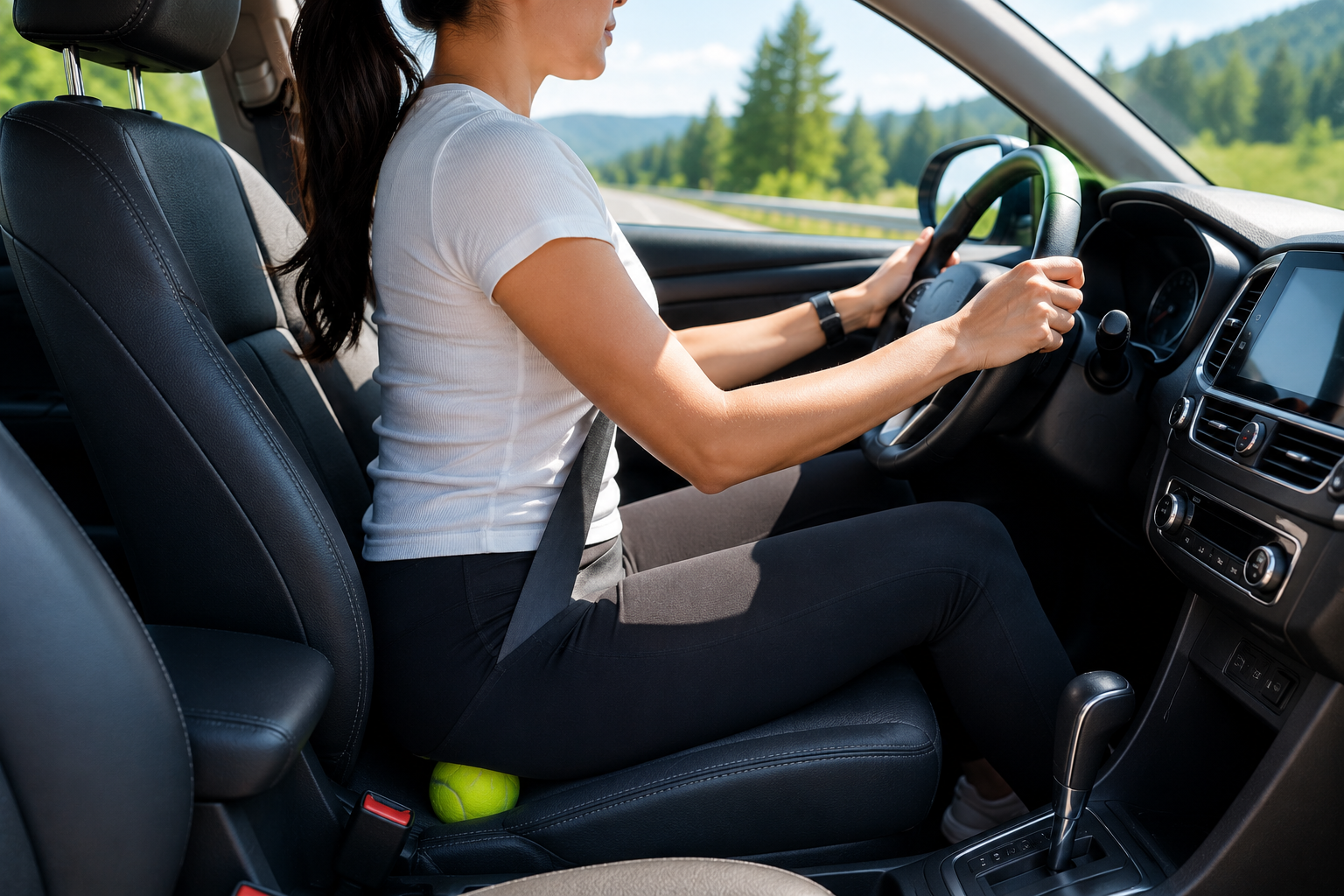
11. Travel with a Tennis or Racquet Ball
A tennis ball or Racquet ball is an inexpensive, lightweight tool that can help relieve muscle tension during or after long trips.
Try:
Sit gently on the ball to release tight glute muscles after prolonged sitting.
Lean against a wall and roll the ball over sore spots in your upper back or shoulders.
Use the ball on your hips, calves, or other tight muscles with gentle pressure.
Avoid placing the ball directly on your spine or other bony areas.
Stop if you experience sharp or worsening pain.
Recommended Exercises for Neck & Back Pain
These gentle exercises are commonly recommended to improve mobility and reduce stiffness after travel. Stop if an exercise causes sharp or worsening pain.
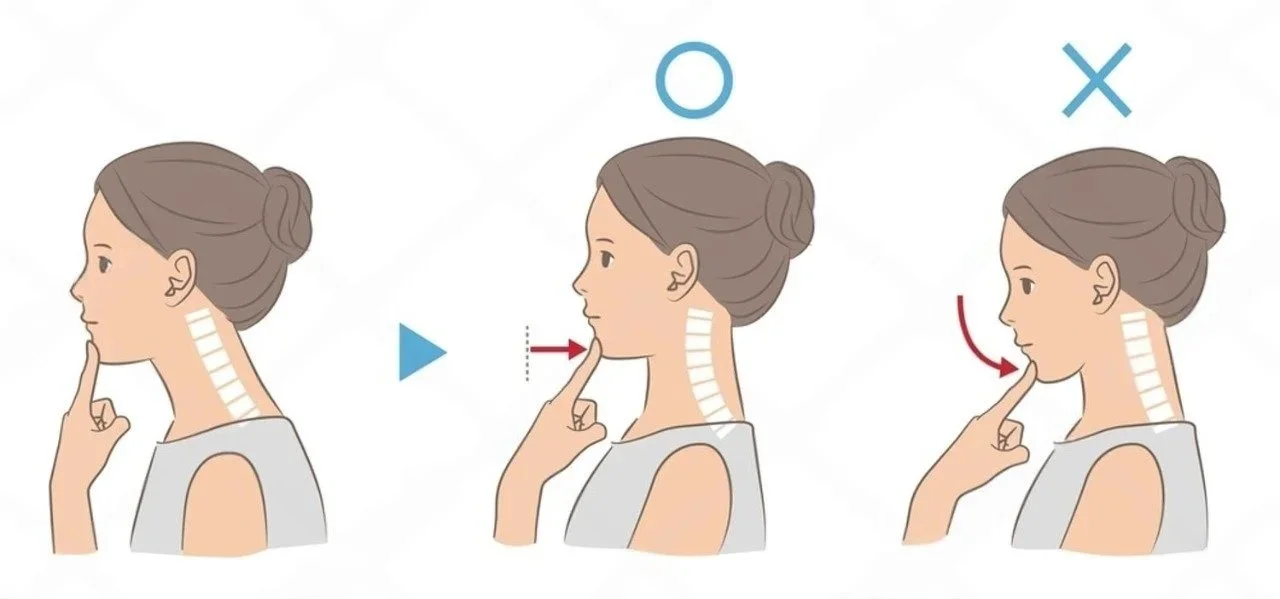
1. Chin Tucks
Purpose
Improve neck alignment and reduce forward head posture.
Steps
Sit upright.
Look straight ahead.
Pull your chin backward.
Avoid tilting your head.
Hold for 5 seconds.
Repetitions
10 repetitions
Benefits
Improves posture
Relieves neck tension
Activates deep neck muscles
Safety Tip
Keep your eyes level throughout the movement.
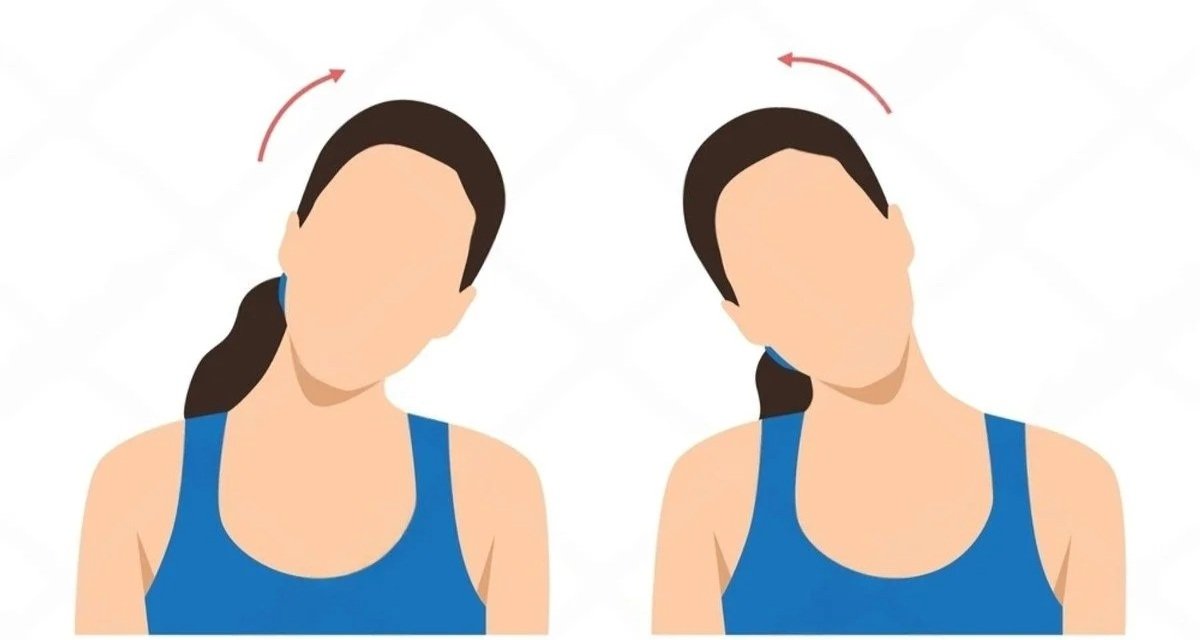
2. Neck Side Stretch
Purpose
Stretch tight neck muscles.
Steps
Sit tall.
Tilt your ear toward one shoulder.
Keep the opposite shoulder relaxed.
Hold gently.
Repeat on the other side.
Duration
20–30 seconds per side
Benefits
Reduces neck stiffness
Improves flexibility
Safety Tip
Do not pull forcefully on your head.
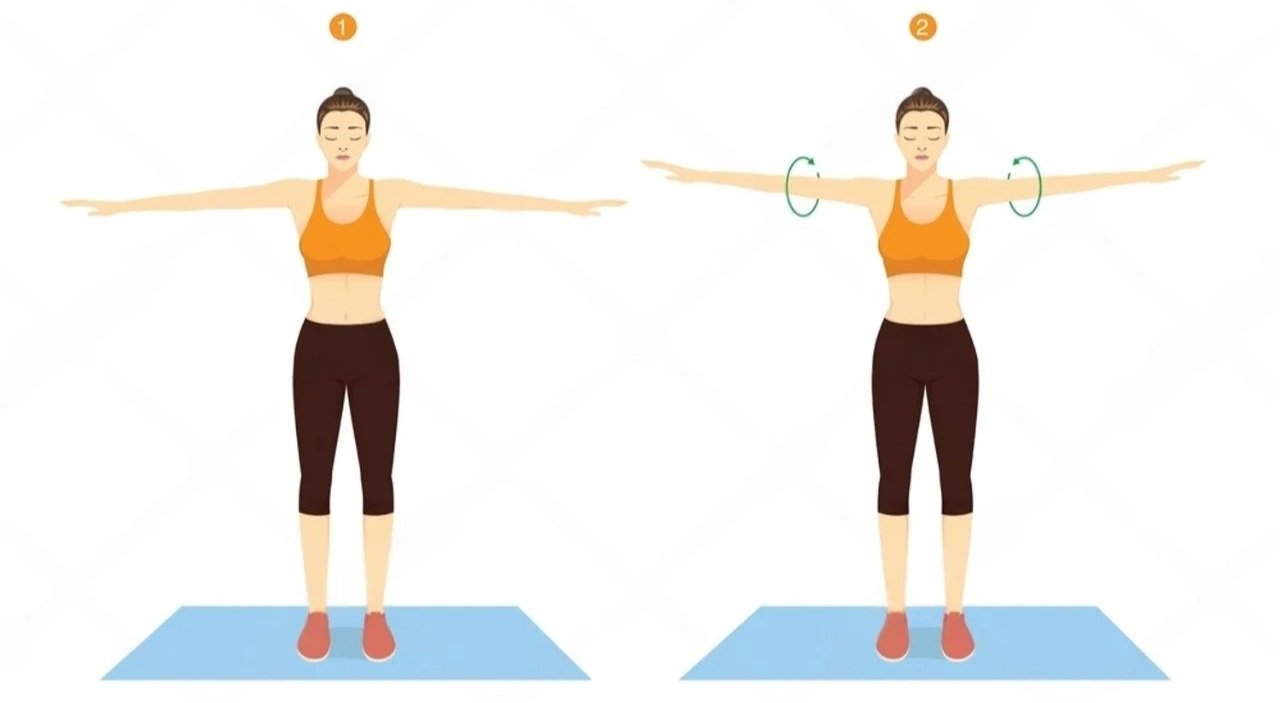
3. Shoulder Rolls
Purpose
Reduce shoulder tension.
Steps
Lift shoulders upward.
Roll backward.
Lower slowly.
Repeat forward.
Repetitions
10 each direction
Benefits
Loosens shoulder muscles
Improves circulation
Safety Tip
Move slowly without shrugging aggressively.
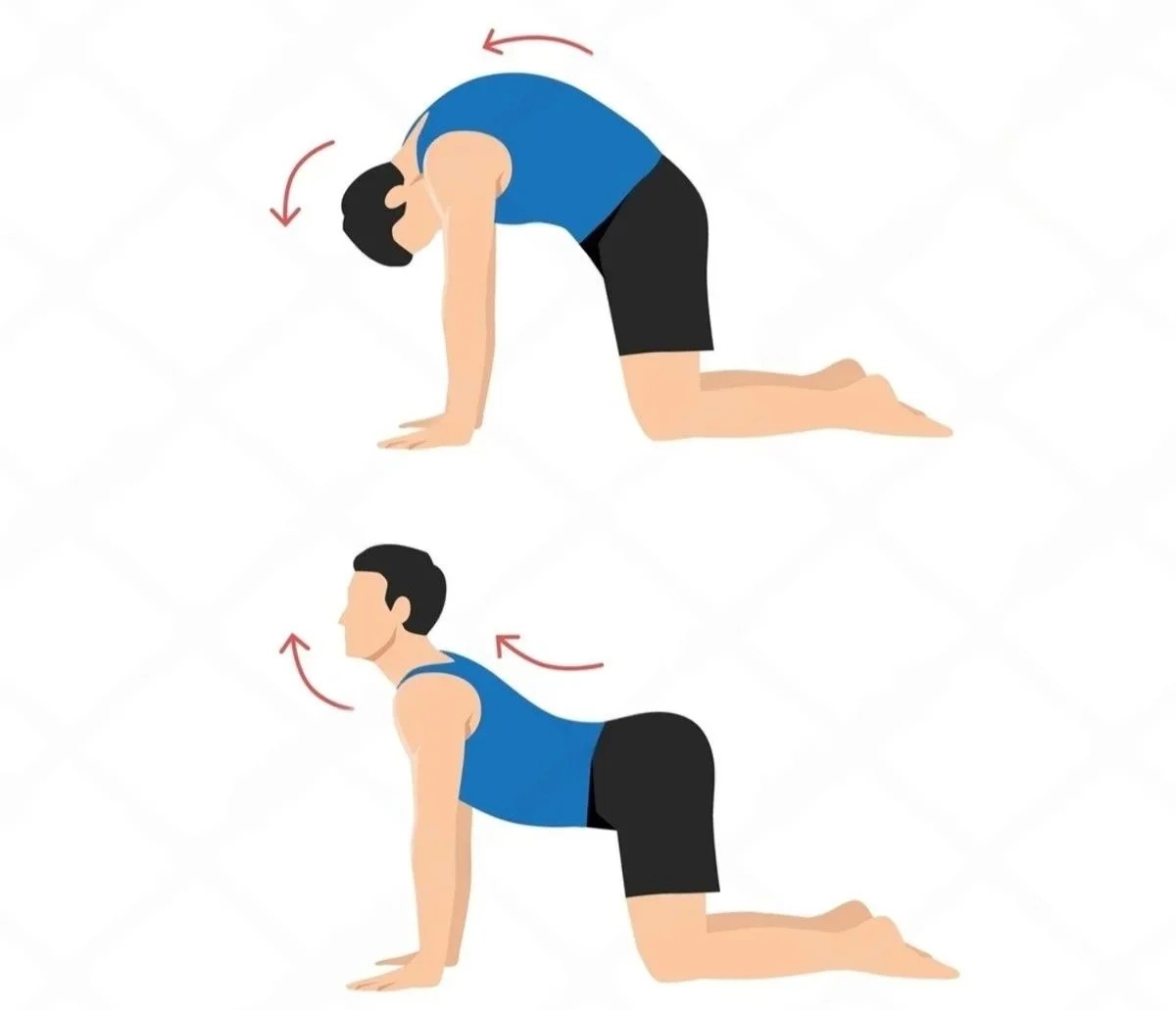
4. Cat-Cow Stretch
Purpose
Improve spinal mobility.
Steps
Begin on hands and knees.
Arch your back gently.
Slowly round your spine.
Continue alternating.
Repetitions
10 cycles
Benefits
Relieves spinal stiffness
Encourages gentle movement
Safety Tip
Move with your breathing.
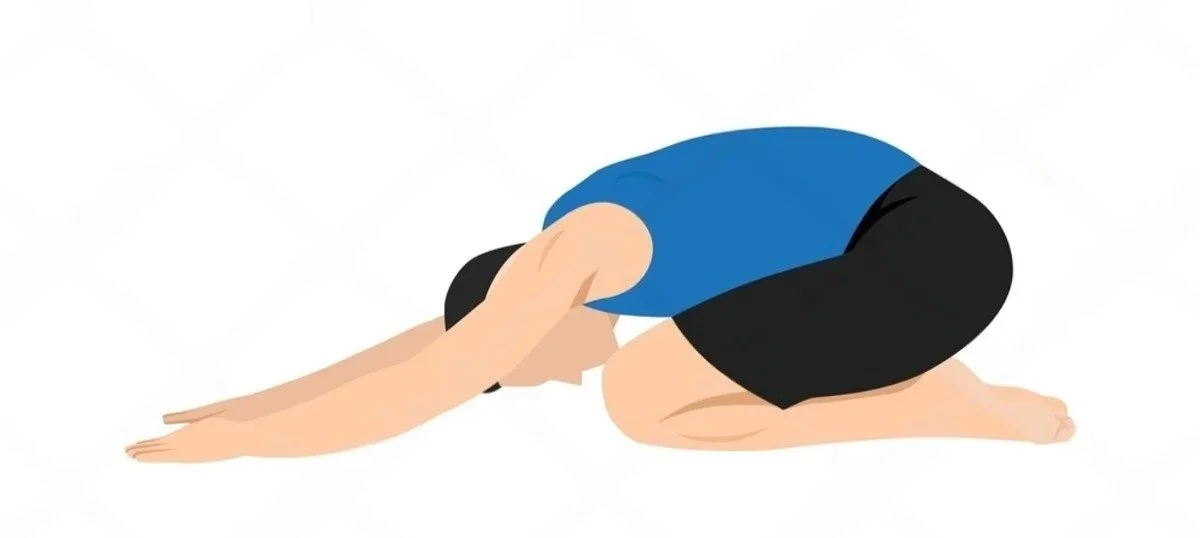
5. Child's Pose
Purpose
Stretch the lower back and hips.
Steps
Kneel on the floor.
Sit back toward your heels.
Reach your arms forward.
Relax your back.
Duration
30 seconds
Benefits
Relaxes the lower back
Lengthens the spine
Safety Tip
Use a pillow if kneeling is uncomfortable.
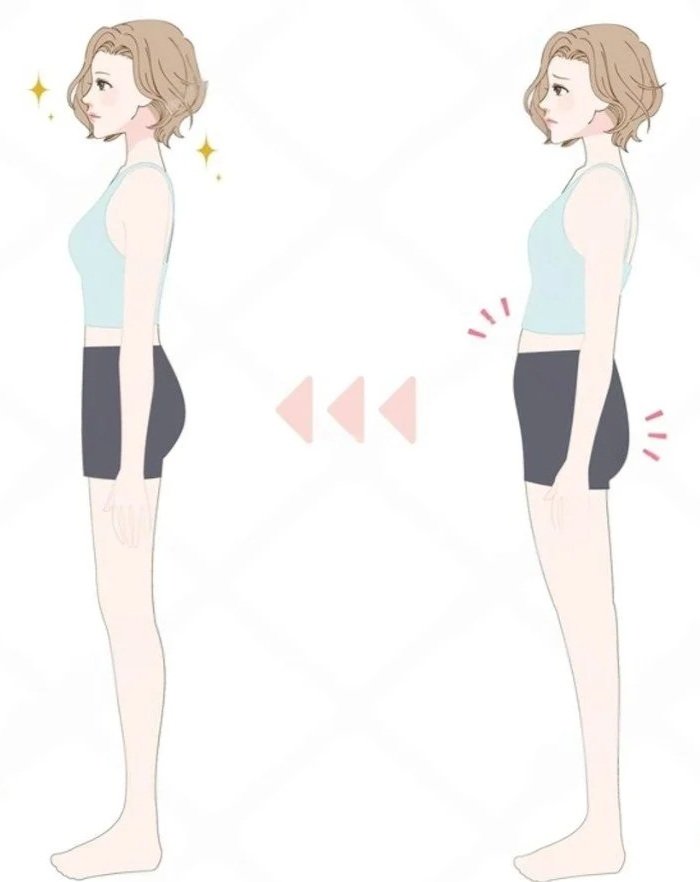
6. Pelvic Tilt
Purpose
Activate core muscles and support the lower back.
Steps
Lie on your back with knees bent.
Tighten your abdominal muscles.
Flatten your lower back gently.
Relax.
Repetitions
10–15
Benefits
Supports spinal stability
Reduces back discomfort
Safety Tip
Avoid holding your breath.
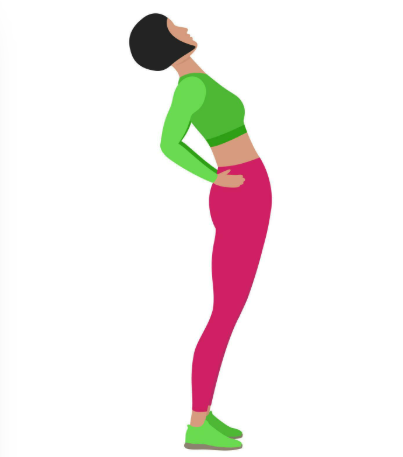
7. Standing Back Extension
Purpose
Counteract prolonged sitting.
Steps
Stand tall.
Place hands on your hips.
Gently lean backward.
Return to neutral.
Repetitions
10
Benefits
Reduces spinal stiffness
Encourages upright posture
Safety Tip
Move only within a comfortable range.
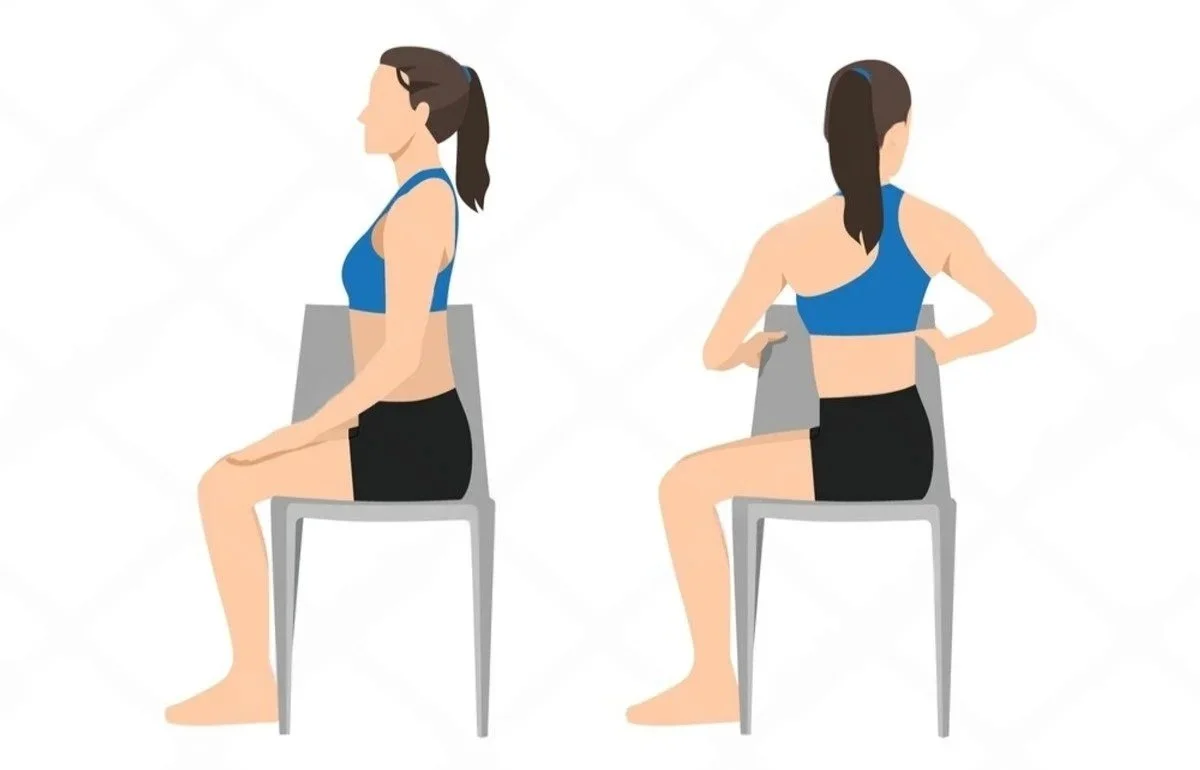
8. Seated Spinal Twist
Purpose
Improve spinal mobility.
Steps
Sit upright.
Turn gently toward one side.
Hold the chair lightly.
Repeat on the opposite side.
Duration
20 seconds per side
Benefits
Improves flexibility
Reduces stiffness
Safety Tip
Rotate gently without bouncing.
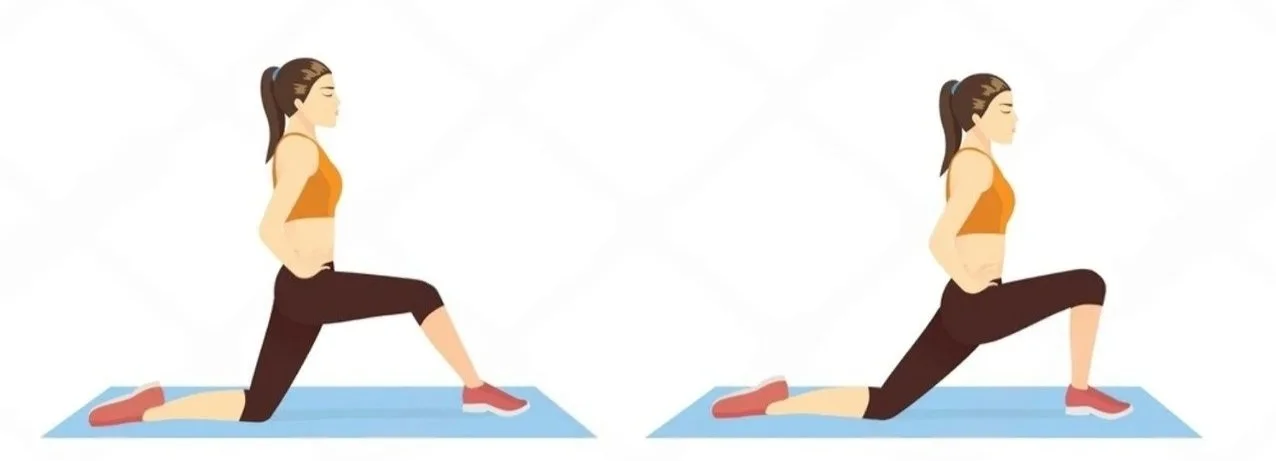
9. Hip Flexor Stretch
Purpose
Lengthen muscles shortened by prolonged sitting.
Steps
Step into a lunge.
Keep your chest upright.
Shift your weight forward.
Feel the stretch at the front of your hip.
Duration
30 seconds each side
Benefits
Reduces hip tightness
Improves posture
Safety Tip
Keep the front knee aligned over the ankle.
Muscle Pain Points During Travel
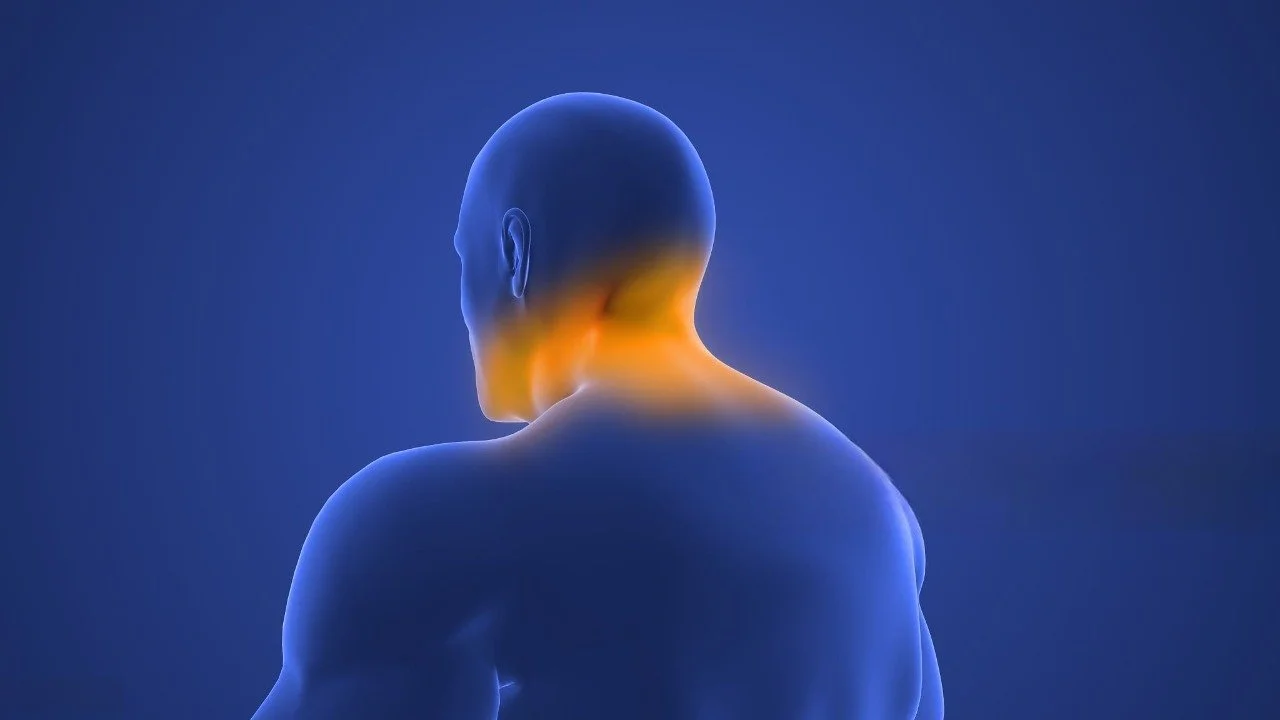
Upper Trapezius
Why it becomes tight: Elevated shoulders and stress.
Symptoms: Neck and shoulder tightness, headaches.
Recommended stretch: Neck Side Stretch.
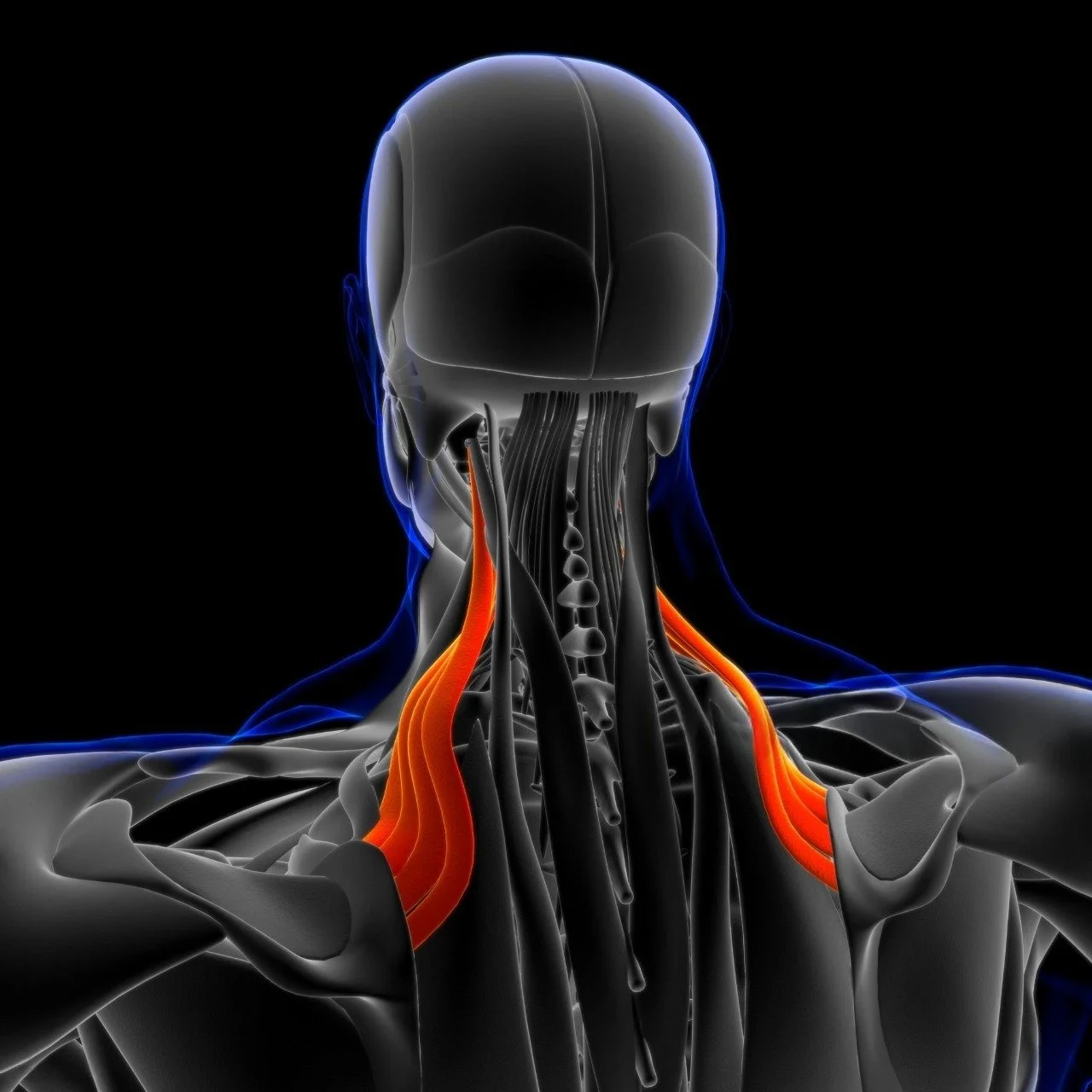
Levator Scapulae
Why: Looking down at phones or books.
Symptoms: Pain near the shoulder blade and neck.
Stretch: Chin tuck with gentle diagonal neck stretch.
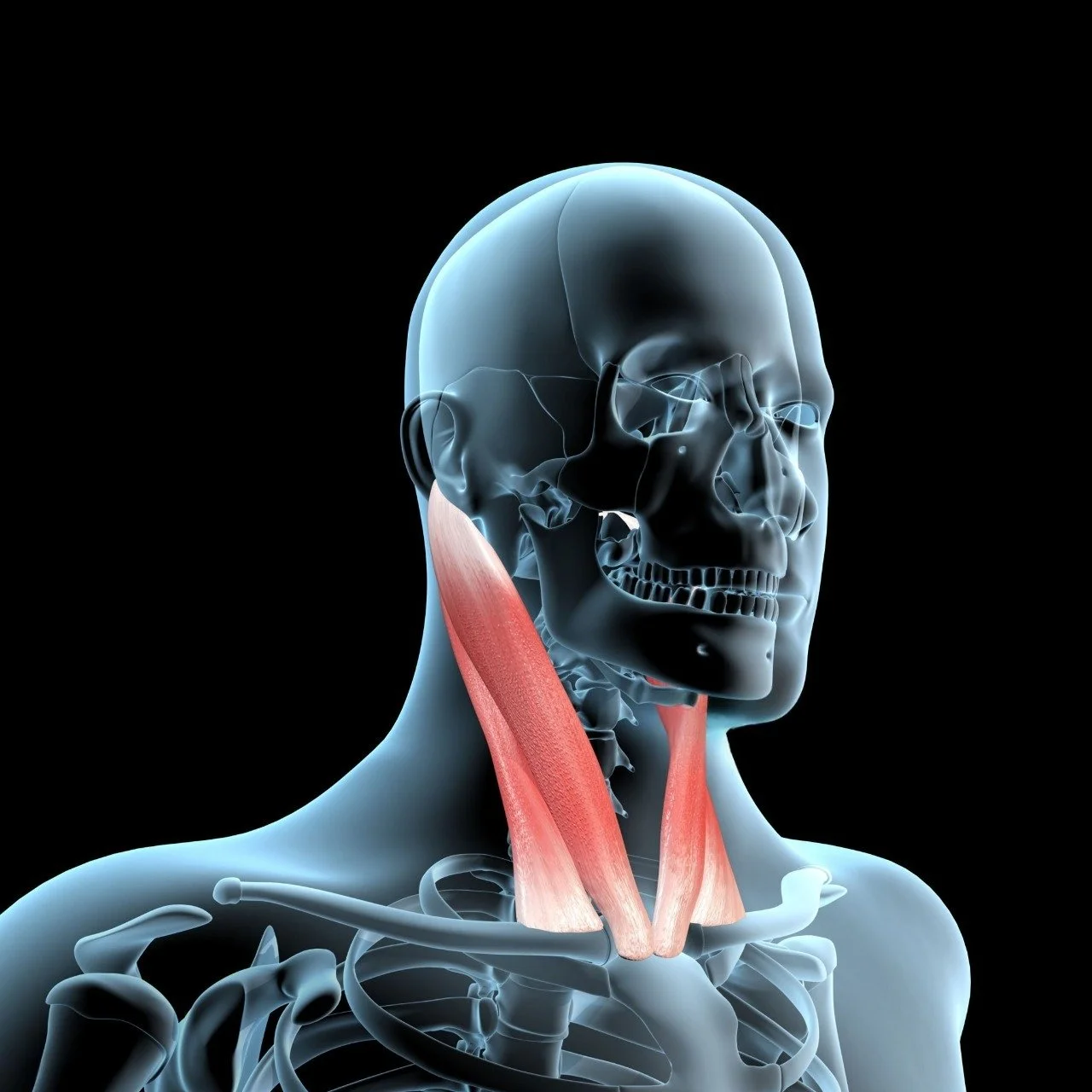
Sternocleidomastoid (SCM)
Why: Sleeping with the head turned or unsupported.
Symptoms: Neck pain and headaches.
Stretch: Gentle neck rotation.
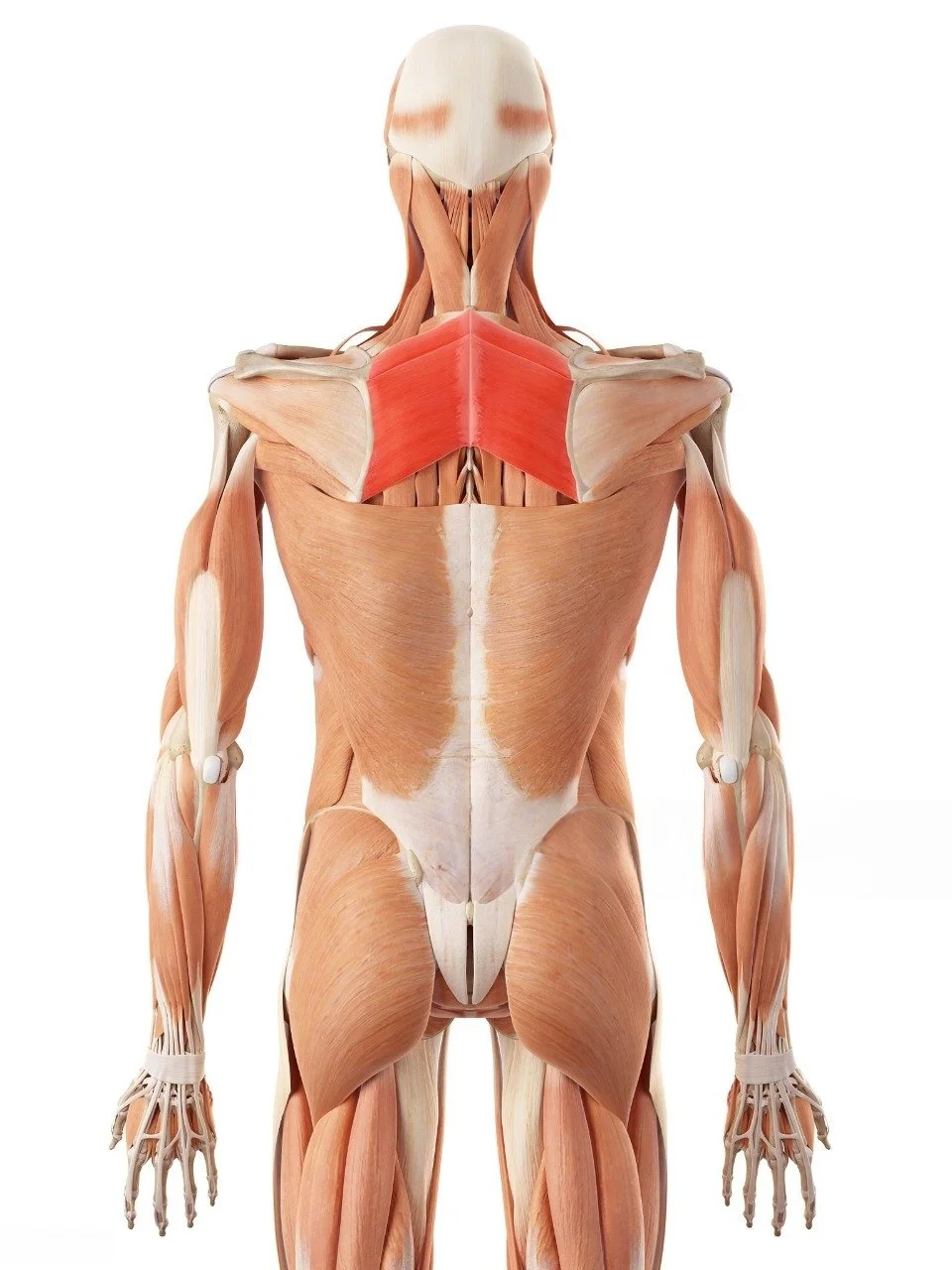
Rhomboids
Why: Rounded shoulders while sitting.
Symptoms: Pain between the shoulder blades.
Stretch: Shoulder rolls and chest-opening stretches.
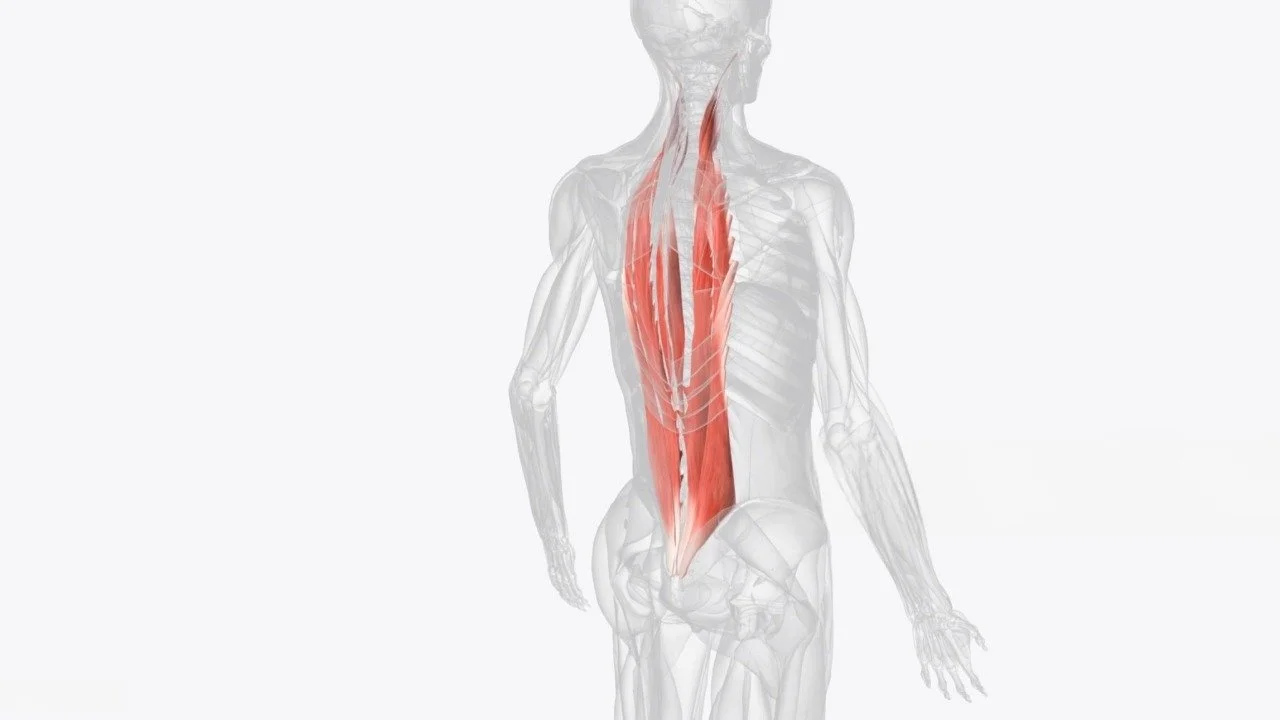
Erector Spinae
Why: Long periods of sitting.
Symptoms: Lower back stiffness.
Stretch: Cat-Cow and Child's Pose.
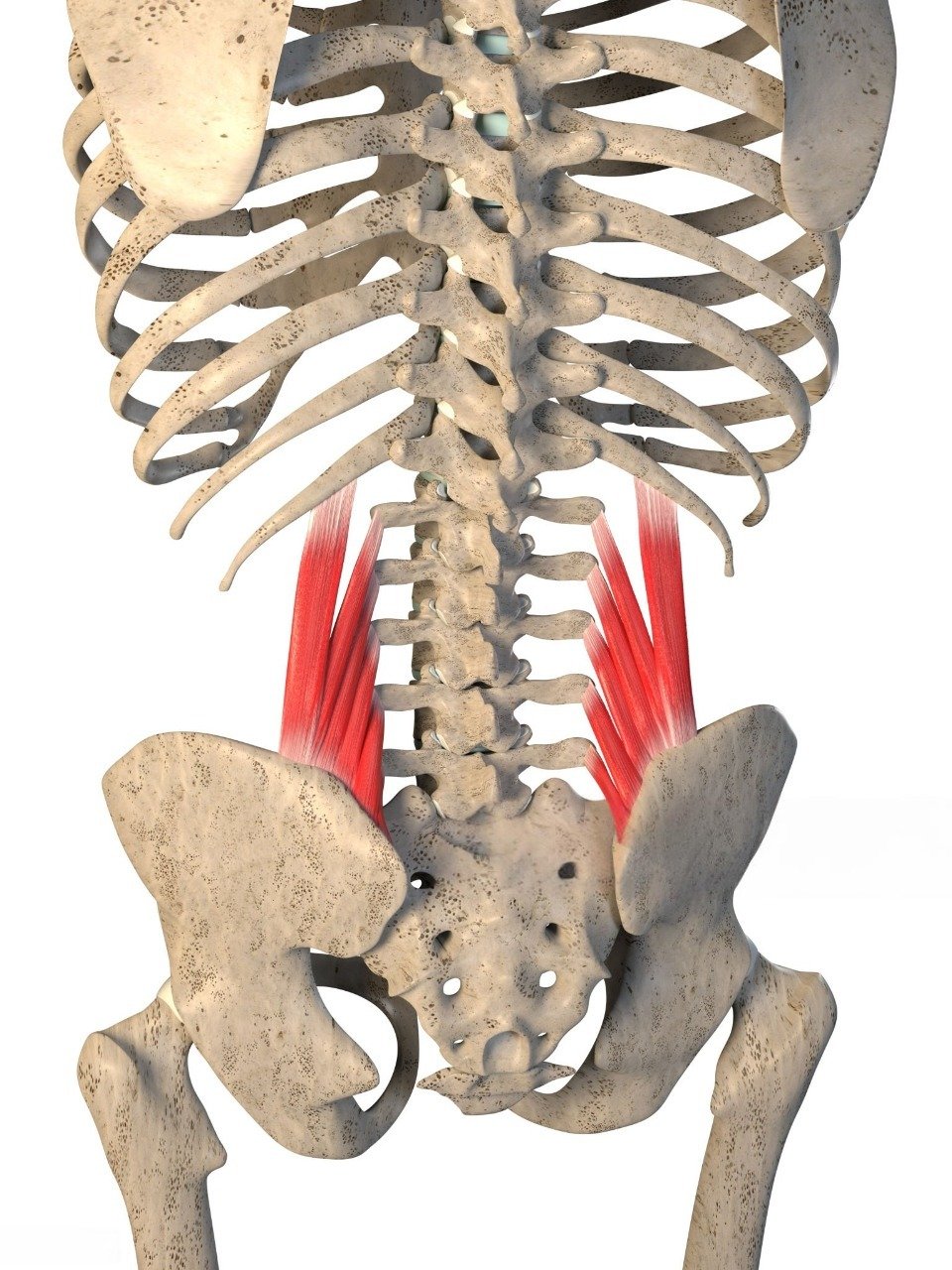
Quadratus Lumborum
Why: Leaning to one side during travel.
Symptoms: Pain on one side of the lower back.
Stretch: Side bends and Child's Pose.
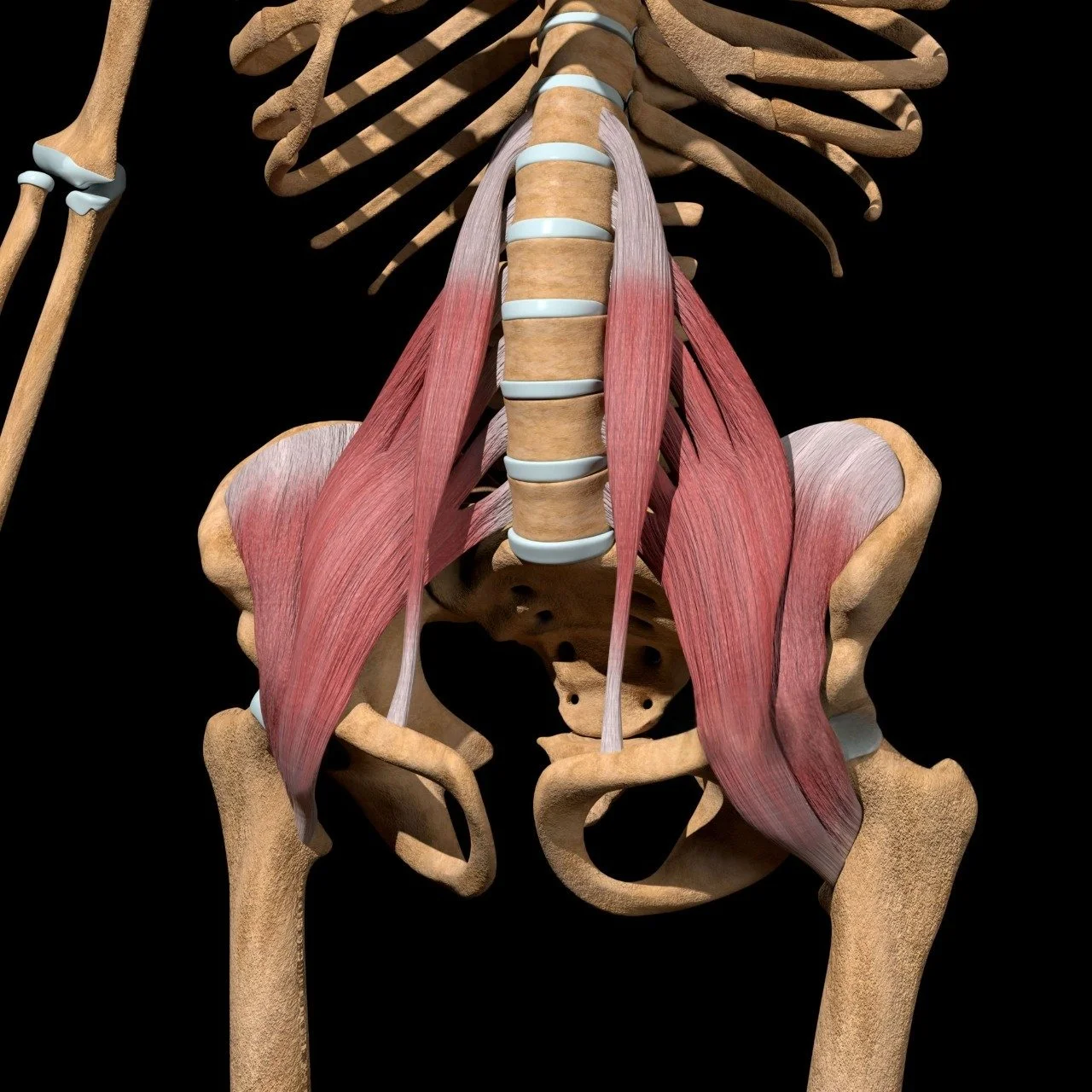
Hip Flexors
Why: Hips remain bent for hours.
Symptoms: Front hip tightness and lower back discomfort.
Stretch: Hip Flexor Stretch.
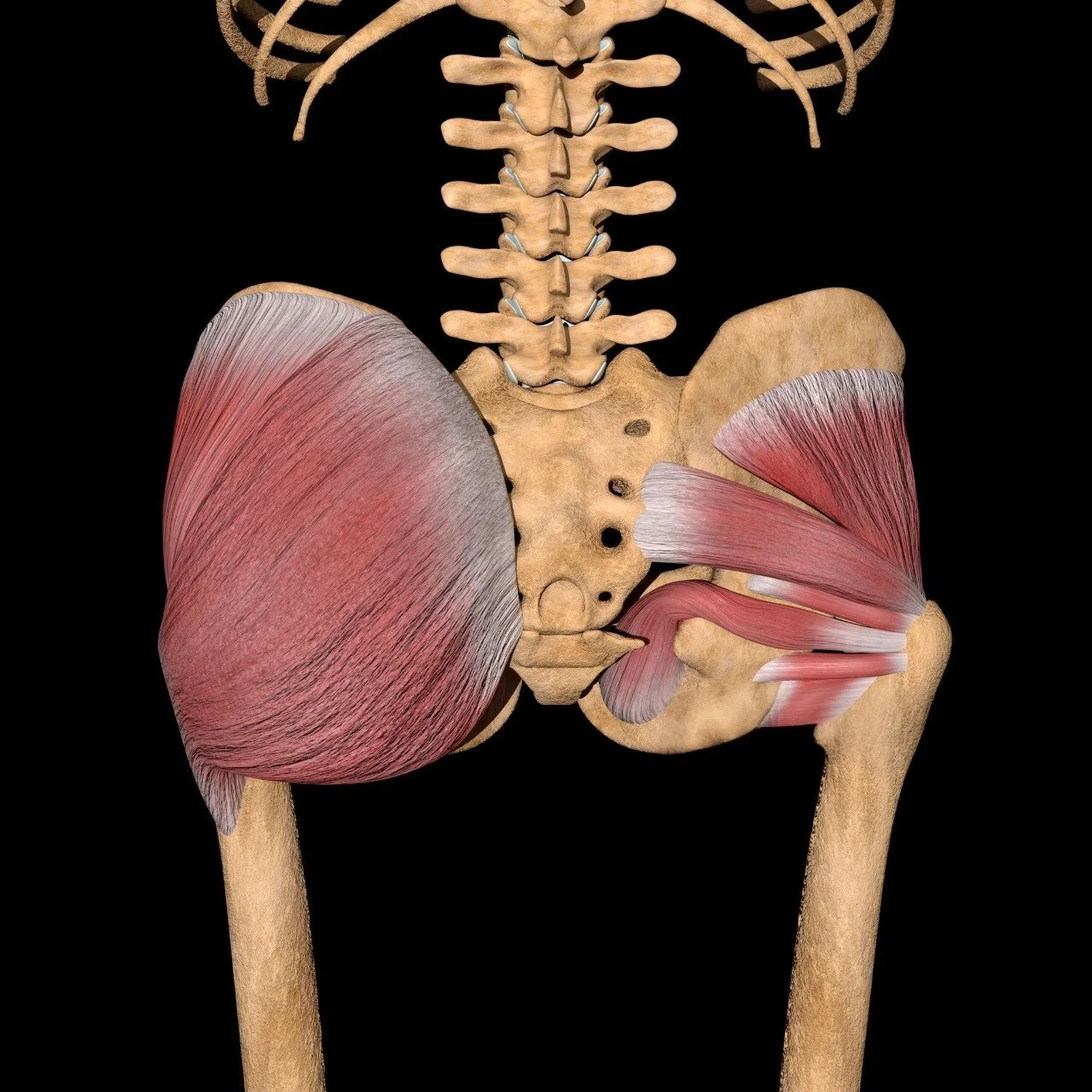
Glutes
Why: Continuous pressure while sitting.
Symptoms: Hip soreness and buttock discomfort.
Stretch: Figure-four stretch.
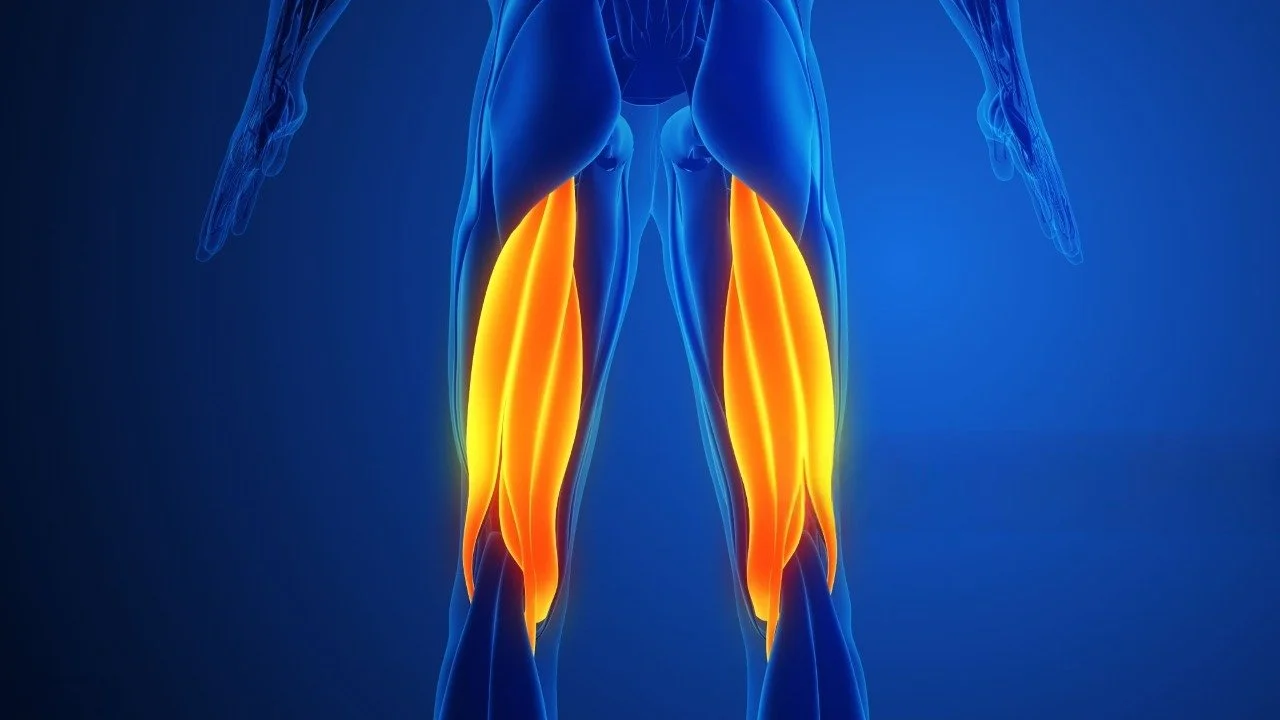
Hamstrings
Why: Limited movement during travel.
Symptoms: Tightness behind the thighs.
Stretch: Standing hamstring stretch.
Benefits of These Natural Remedies
Using these strategies consistently may help:
Reduce muscle tension
Improve blood circulation
Increase flexibility
Support faster recovery
Improve posture
Reduce stiffness
Promote comfortable movement
Make future travel more enjoyable
Prevention Tips for Future Trips
You can lower your risk of travel-related aches by planning ahead.
Take movement breaks every hour when possible.
Use a lumbar support pillow.
Adjust your seat to support a neutral spine.
Pack light to reduce strain.
Stretch before and after your trip.
Drink water regularly.
Wear supportive shoes.
Avoid crossing your legs for long periods.
Position your screen or book at eye level.
Use a supportive travel pillow during flights.
When to See a Doctor
While most travel-related pain improves within a few days, seek medical evaluation if you experience:
Severe or worsening pain
Persistent numbness or tingling
Muscle weakness
Loss of bladder or bowel control
Pain lasting longer than two weeks
Fever, unexplained weight loss, or pain after significant injury
Prompt medical care is important because these symptoms may indicate conditions that require professional evaluation.
Conclusion
Experiencing discomfort after a long journey is common, but it doesn't have to ruin your trip. Simple habits such as stretching, maintaining good posture during travel, staying hydrated, and performing gentle exercises can provide effective travel neck pain relief while also easing back pain from long travel and neck pain after traveling.
Remember that consistency matters more than intensity. A few minutes of movement every hour and regular stretching before and after your journey can make a noticeable difference. If your pain is severe, persistent, or accompanied by concerning symptoms, consult a qualified healthcare professional for an evaluation.
