

Chronic pain has a way of showing up in more places than the body. A stiff lower back can make a workday feel longer. Tight shoulders may make driving uncomfortable. Hip or leg discomfort can change how you exercise, while persistent muscle tension can interfere with sleep, hobbies, and time with family.
Pain Awareness 2026 is an important reminder that persistent pain deserves attention. Rather than simply ignoring discomfort or repeatedly trying to mask it, it can be helpful to understand the factors that may be contributing to how your body feels and moves.
For some people, those factors include tight muscles, trigger points, repetitive strain, limited mobility, posture, and restrictions in the surrounding soft tissues. The place that hurts is not always the only area involved.
That is where medical massage may have a role. When muscular and soft-tissue factors contribute to discomfort, targeted massage therapy can be one component of a broader pain-management and recovery plan.

Understanding Chronic Pain
Chronic pain generally refers to pain that persists or recurs over an extended period. It can have many possible causes, and not every type of ongoing pain originates in muscles or soft tissue.
However, muscles can sometimes become part of the picture.
Imagine spending eight hours at a desk with your shoulders slightly rounded forward. Or repeatedly lifting, reaching, bending, running, driving, or performing the same movement at work. Over time, certain muscles may remain tense while others are not moving through their usual range.
Common factors that may contribute to ongoing muscular discomfort include:
Poor or sustained posture
Repetitive movements
Prolonged sitting
Physically demanding work
Previous injuries
Exercise and overuse
Muscle imbalances
Stress-related muscle tension
Limited flexibility or mobility
The result may be stiffness, soreness, tightness, or changes in how comfortably you move. In some cases, compensating for one uncomfortable area can also place additional demands on muscles elsewhere.
Persistent or unexplained pain should still be evaluated appropriately. Massage therapists do not replace medical professionals who diagnose injuries, diseases, or other underlying health conditions.
Why Pain Isn't Always Just About Where It Hurts
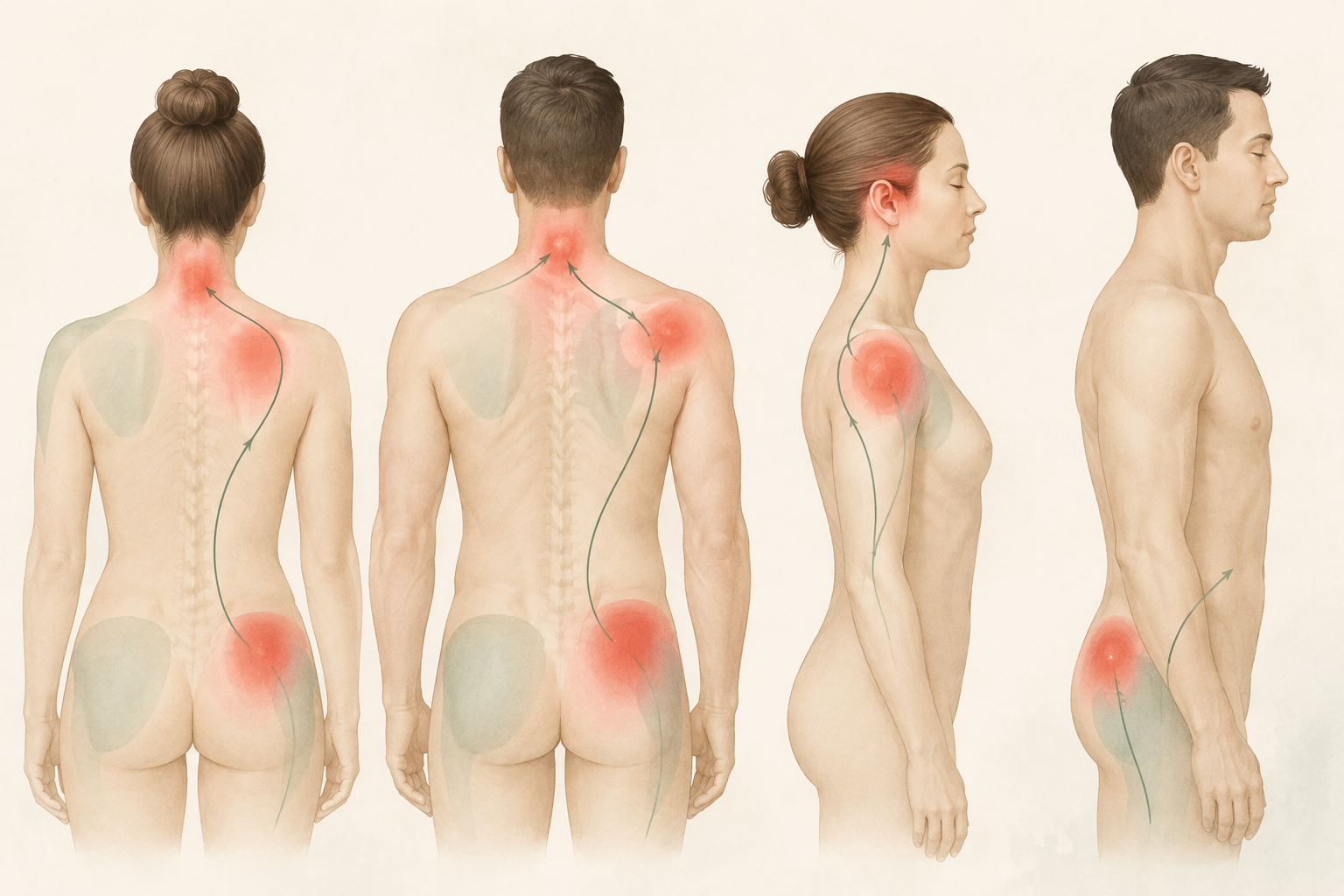
It is natural to focus on the exact spot that hurts. Sometimes, though, muscular discomfort can be influenced by tissues in another area.
One example is referred pain, where discomfort is experienced somewhere other than the tissue contributing to the sensation. Trigger points are another familiar concept in massage therapy. These are sensitive, tight areas within muscle tissue that may be tender locally and can sometimes produce discomfort in another area when pressure is applied.
For example, muscular tension around the neck and shoulders may be associated with certain headache patterns in some people. Tightness or restricted movement around the hips and glutes may also influence how the lower back moves and feels.
This is one reason trigger point massage may involve looking beyond the most noticeable area of discomfort.
It is important to keep the distinction clear: these patterns can help a massage practitioner decide which muscles and soft tissues are appropriate to work with, but massage is not a method for diagnosing the medical cause of unexplained pain.
What Is Medical Massage?
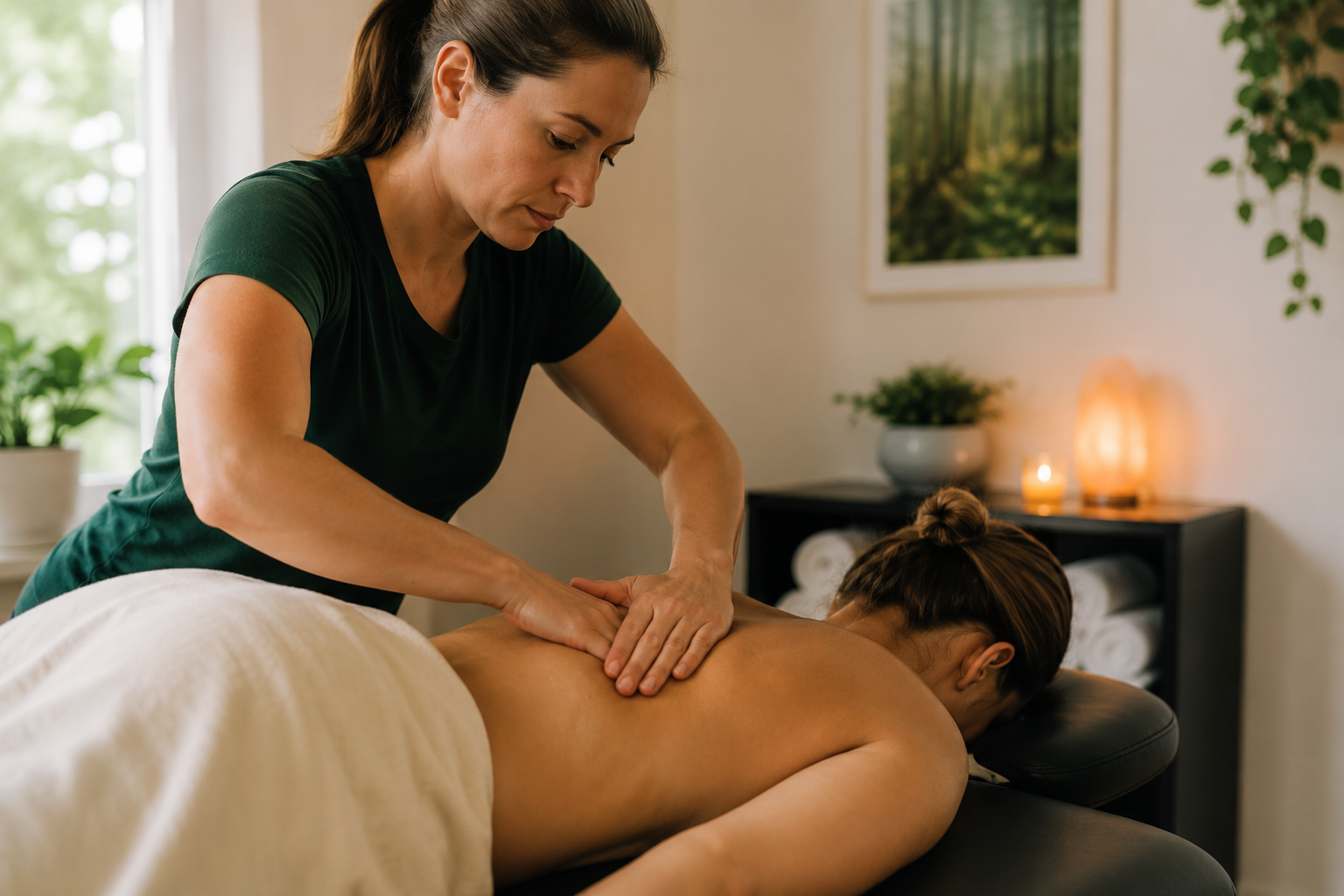
Medical massage is a targeted form of massage therapy focused on a client's specific pain, injury, mobility concern, or functional goal. Depending on the situation, medical massage may be prescribed or considered medically necessary and may incorporate different therapeutic techniques.
Rather than following the same relaxation routine for every client, the practitioner considers what the individual is experiencing and which appropriate muscles or soft tissues may be contributing to tension or restricted movement.
For someone seeking medical massage in Broomfield, that might mean focusing on tight neck and shoulder muscles after repetitive desk work. For another person, treatment might concentrate on muscular restrictions around the back, hips, or legs.
The goal is not to promise a cure for chronic pain. Instead, targeted massage may support greater comfort, mobility, recovery, and awareness of muscular tension patterns.
How Medical Massage May Help Chronic Muscular Pain
When muscle and soft-tissue tension are part of the problem, chronic pain massage may support the body in several ways.
Reducing Muscle Tension
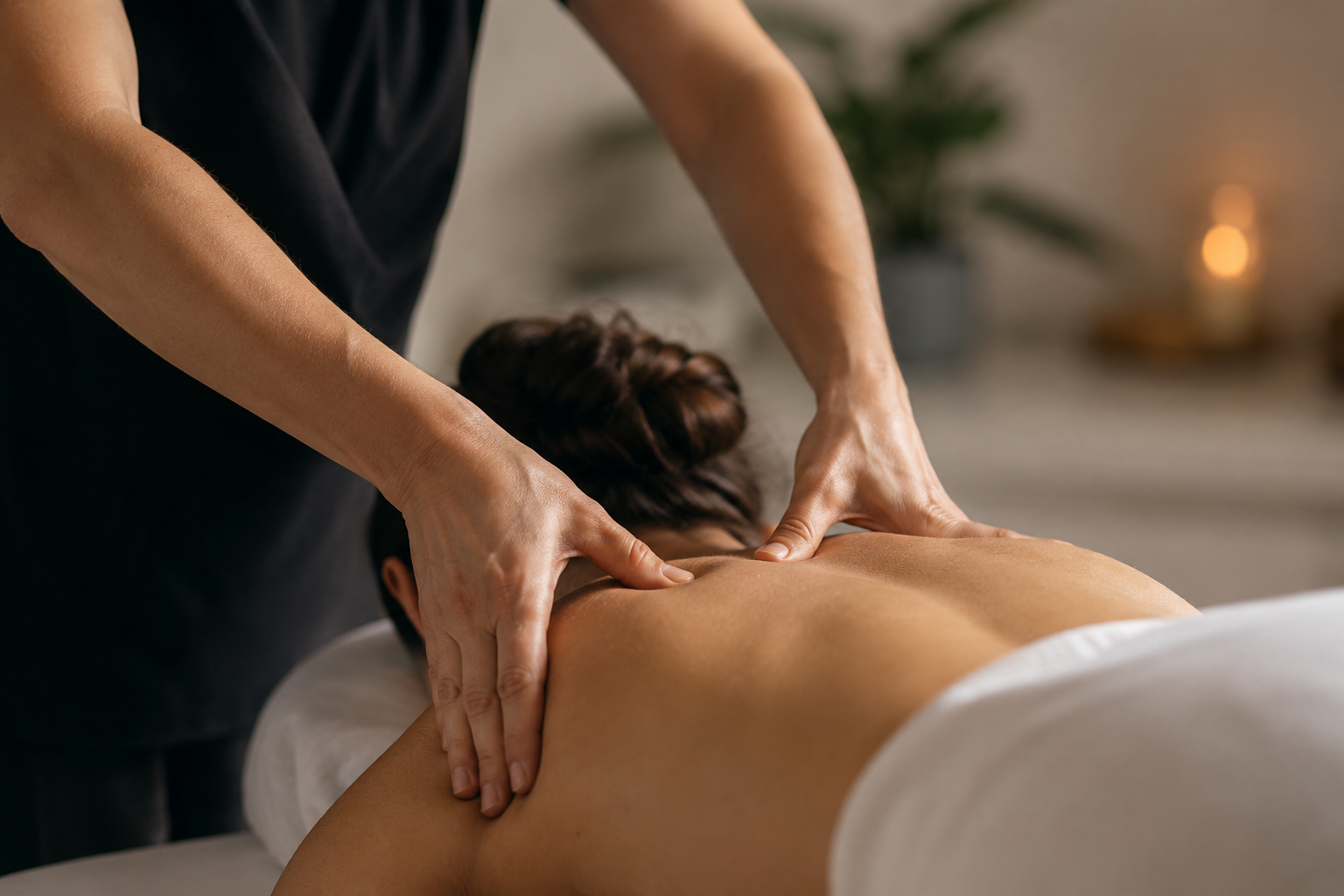
Massage techniques can work directly with tight or overworked muscles, helping some clients experience less stiffness and greater ease of movement.
Addressing Trigger Points
Targeted pressure may be used on appropriate trigger points and sensitive areas of muscular tension. The amount of pressure should be adjusted to the individual rather than based on the idea that deeper always means better.
Supporting Circulation
Massage can support local blood flow to the tissues being worked, which may complement normal recovery and movement.
Improving Flexibility and Range of Motion
Muscle tightness can make certain movements feel restricted. Massage combined with appropriate movement or stretching may help some clients move more comfortably through their available range of motion.
Supporting Physical Recovery
Exercise, repetitive work, and physically demanding activities can leave muscles tired and sore. Massage for muscle pain may help reduce feelings of muscular stiffness while supporting recovery between activities.
Promoting Relaxation
Stress often shows up physically. Some people unconsciously tighten their jaw, raise their shoulders, or brace muscles when they are under pressure. Massage can encourage relaxation while helping clients recognize where they tend to hold tension.
Medical massage is not appropriate for every cause of chronic pain, but for the right client it can be a useful part of a larger pain management strategy.
Common Areas Medical Massage Can Target
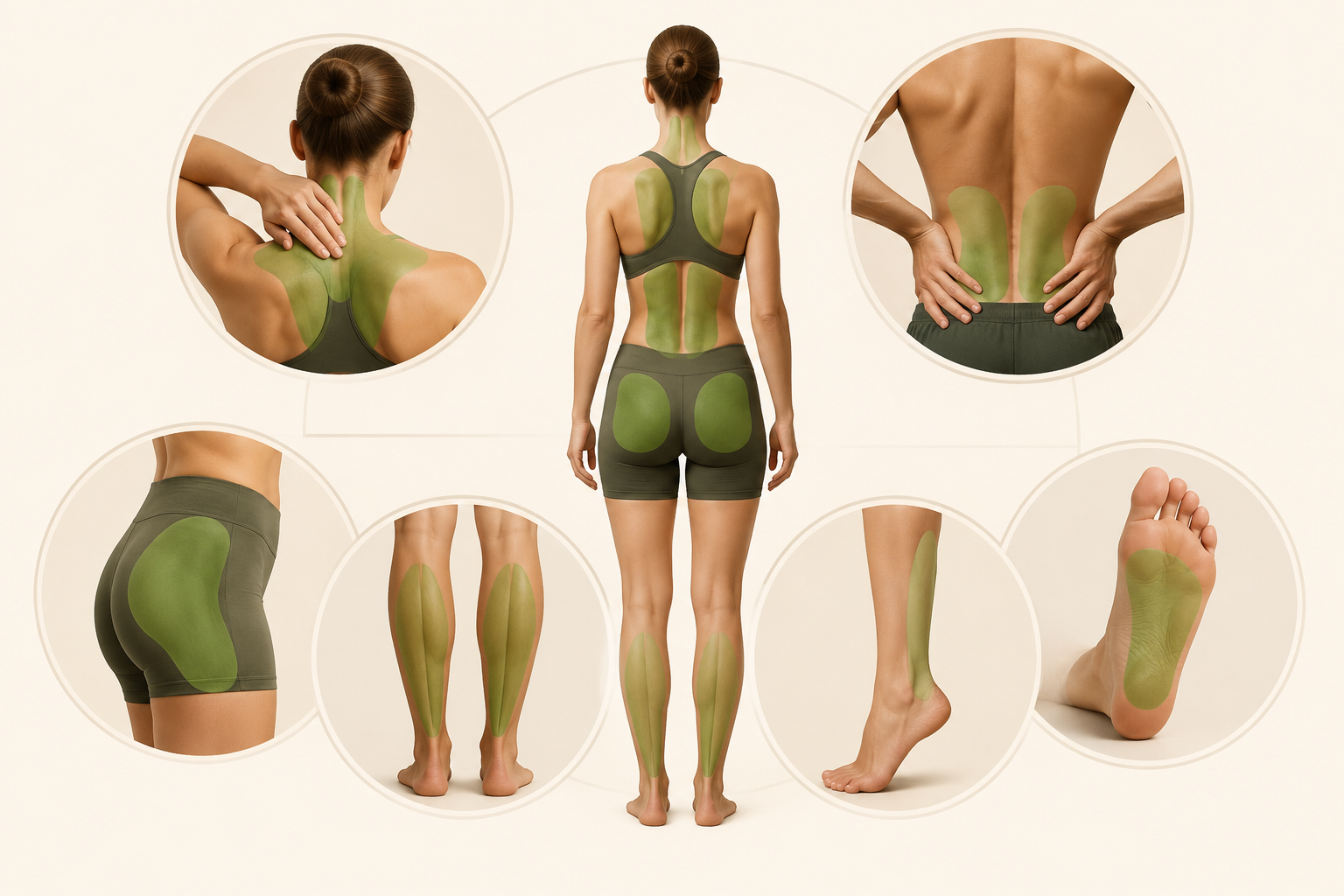
Neck and Shoulders
Computers, phones, driving, repetitive arm movements, and stress can all place demands on the neck and shoulder muscles. Over time, people may notice tightness, tenderness, reduced comfort when turning the head, or tension extending across the upper back.
Targeted massage may help address appropriate muscular tension and trigger points in these areas.
Upper and Lower Back
Back discomfort is one of the most common reasons people look for therapeutic bodywork. Prolonged sitting, lifting, physical work, exercise, and habitual movement patterns can all contribute to muscular fatigue or tightness.
When soft-tissue tension is involved, massage for back pain may help some clients reduce stiffness and move more comfortably. Persistent or severe back pain, however, should be appropriately evaluated rather than assumed to be muscular.
Hips and Glutes
Sitting for long periods can leave the hips feeling stiff, while running, strength training, hiking, and other activities may create additional muscular demands.
Working with appropriate muscles around the hips and glutes may help address tension and mobility restrictions that affect everyday movement.
Legs and Knees
Not all knee discomfort originates inside the knee itself. Muscles surrounding the joint, including muscles in the thighs and calves, play important roles in movement.
When those tissues are tight or overworked, targeted massage may support muscular comfort and flexibility around the area. Massage does not repair structural knee injuries, so new, severe, or persistent knee pain may require evaluation by a qualified healthcare professional.
Calves and Feet
Long periods of standing, walking, running, exercise, and repetitive activity can leave the calves and feet feeling tired or tight.
Massage focused on appropriate muscles and soft tissues may help ease muscular tension and support more comfortable movement and recovery.

What Happens During a Medical Massage Session?
Effective massage should be personalized. Two people can both arrive with back discomfort and need very different approaches.
A medical massage session may include:
A discussion of your symptoms, activities, and goals. Your practitioner will want to understand where you feel discomfort, what activities affect it, and what you hope to accomplish.
Identification of muscular tension or restriction. Within the massage practitioner's scope, relevant areas of tightness, tenderness, or limited soft-tissue mobility may be identified.
A customized approach. Techniques and pressure can be adjusted according to your needs, comfort, and goals.
Targeted soft-tissue work. The session may focus on specific muscles rather than treating every part of the body equally.
Appropriate follow-up or self-care suggestions. Depending on your situation, you may receive simple recommendations for movement, stretching, recovery, or follow-up care.
Communication matters throughout the session. Massage should not become a test of how much discomfort you can tolerate. Tell your practitioner when pressure or positioning needs to be adjusted.

Supporting Pain Management Between Sessions
Massage is only one part of taking care of your body. Everyday habits can also influence muscular comfort and mobility.
Helpful strategies may include:
Incorporating gentle movement into your day
Walking regularly when appropriate for you
Using comfortable, appropriate stretches
Taking movement breaks during long periods of desk work
Reviewing your workstation ergonomics and posture
Staying adequately hydrated
Prioritizing sleep and physical recovery
Gradually balancing activity and rest
Following recommendations from your physician, physical therapist, or other qualified healthcare professional
Pay attention to how your body responds. If an exercise or activity significantly increases pain, stop and seek appropriate guidance rather than trying to push through it.
When Pain Should Be Evaluated by a Healthcare Professional
Massage therapy can complement wellness and pain-management strategies, but it is not a substitute for medical diagnosis or emergency care.
Seek appropriate medical evaluation for pain that is unexplained, persistent, rapidly worsening, or concerning to you. Prompt medical attention may be especially important for symptoms such as:
Severe pain following an injury
Significant or new weakness or numbness
Loss of bladder or bowel control
Chest pain
Difficulty breathing
Fever accompanied by severe pain
Other sudden or concerning symptoms
Certain health conditions and injuries may also require massage to be postponed or modified. When in doubt, discuss your situation with an appropriate healthcare professional before scheduling treatment.

Who May Benefit From Medical Massage?
Medical or targeted therapeutic massage may be worth considering for people experiencing muscular tension, stiffness, or discomfort associated with:
Desk work and prolonged sitting
Physically demanding jobs
Exercise and sports
Repetitive activities
Muscle tightness and trigger points
Reduced flexibility or mobility
Stress-related tension
General muscular aches and stiffness
The important question is not simply, "Where does it hurt?" It is also, "What activities, movement patterns, and muscular restrictions might be influencing how I feel?"
That broader perspective can help make massage more purposeful.

Learn More About Staying Comfortable While Traveling
In July, we focused on helping clients enjoy summer travel without letting neck and back discomfort get in the way. Long car rides, flights, train trips, and extended periods of sitting can leave muscles feeling tight and sore, but a few simple habits may help you stay more comfortable on the road.
Inside, you’ll learn:
Why prolonged sitting during travel can contribute to neck and back discomfort
Simple posture tips for cars, planes, trains, and buses
Easy stretches and movement breaks to reduce stiffness
How hydration and regular movement can support muscle comfort
Practical ways to help prevent travel-related tension and soreness
How massage therapy may support recovery before or after a trip
Whether you’re heading out for a weekend getaway or a longer summer vacation, these simple wellness strategies can help you move more comfortably and make the most of your travels.
Stay Tuned for the September Wellness Guide…
Why Choose Healing Solutions Inc. for Medical Massage in Broomfield?
Healing Solutions Inc. is a Broomfield, Colorado wellness practice offering medical and therapeutic massage with an emphasis on personalized care. Rather than treating every session as identical, the practice focuses on targeted techniques and care tailored to the client's needs and goals.
The clinic's medical massage services are designed around specific pain or injury concerns, with customized treatment intended to support mobility, recovery, and overall wellness. Healing Solutions also emphasizes compassionate, professional care and recognizes that every person's experience with pain is different.
Whether you are dealing with recurring muscle tension, activity-related soreness, restricted movement, or ongoing muscular discomfort, a personalized approach can help determine whether massage is an appropriate part of your wellness plan.
Book Your Massage Session
Pain Awareness 2026 is an opportunity to pay closer attention to what persistent discomfort may be telling you. Chronic muscle pain does not always have to become something you automatically accept as part of working, exercising, aging, or getting through a busy week.
When muscular tension and soft-tissue restrictions are contributing factors, medical massage may help support more comfortable movement, relaxation, mobility, and recovery.
If you are looking for massage therapy in Broomfield and want an approach tailored to your individual needs, Healing Solutions Inc. is here to support your next step.
Ready to move more comfortably? Book a massage appointment with Healing Solutions Inc. and discover how personalized, targeted massage therapy can support your pain-management and recovery goals.
